19 Apr, 2026 By Anamalahomestays
Some places let you observe a culture from a distance. Homestays in Kerala pull you right into the middle of it.
There is a kind of travel that checks boxes. And then there is the kind that changes something in you. If you have been chasing the second kind and have not yet stayed in a homestay in Kerala, Thiruvilwamala might be exactly the place where you find it. A quiet hilly village on the banks of the Bharathapuzha river, wrapped in coconut groves and paddy fields, carrying centuries of spiritual and cultural life in every corner. It does not announce itself. It simply draws you in.
Waking up to a village that still knows what slow mornings feel like
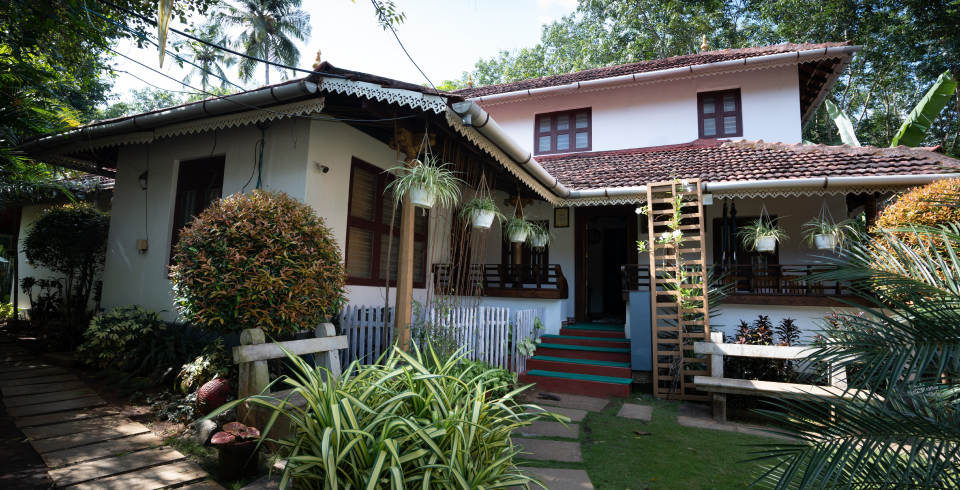
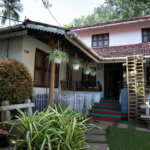
There are no alarm clocks in Thiruvilwamala, at least not the ones you are used to. What wakes you up here is the sound of temple bells drifting across the valley, the rustle of coconut palms, the distant sound of the Bharathapuzha moving quietly through the land below. At homestays in Kerala like Anamala Homestays, mornings are not rushed. They are given back to you.
Breakfast is not on the menu. It is whatever the kitchen decided was right for the day. Appam with a coconut milk stew. Puttu with kadala curry. Kanji served warm with pickles and pappad on the side. You eat it the way it was meant to be eaten, slowly, at a table that feels like someone’s home because it is.
The Vilwadrinatha Temple and the living culture around it
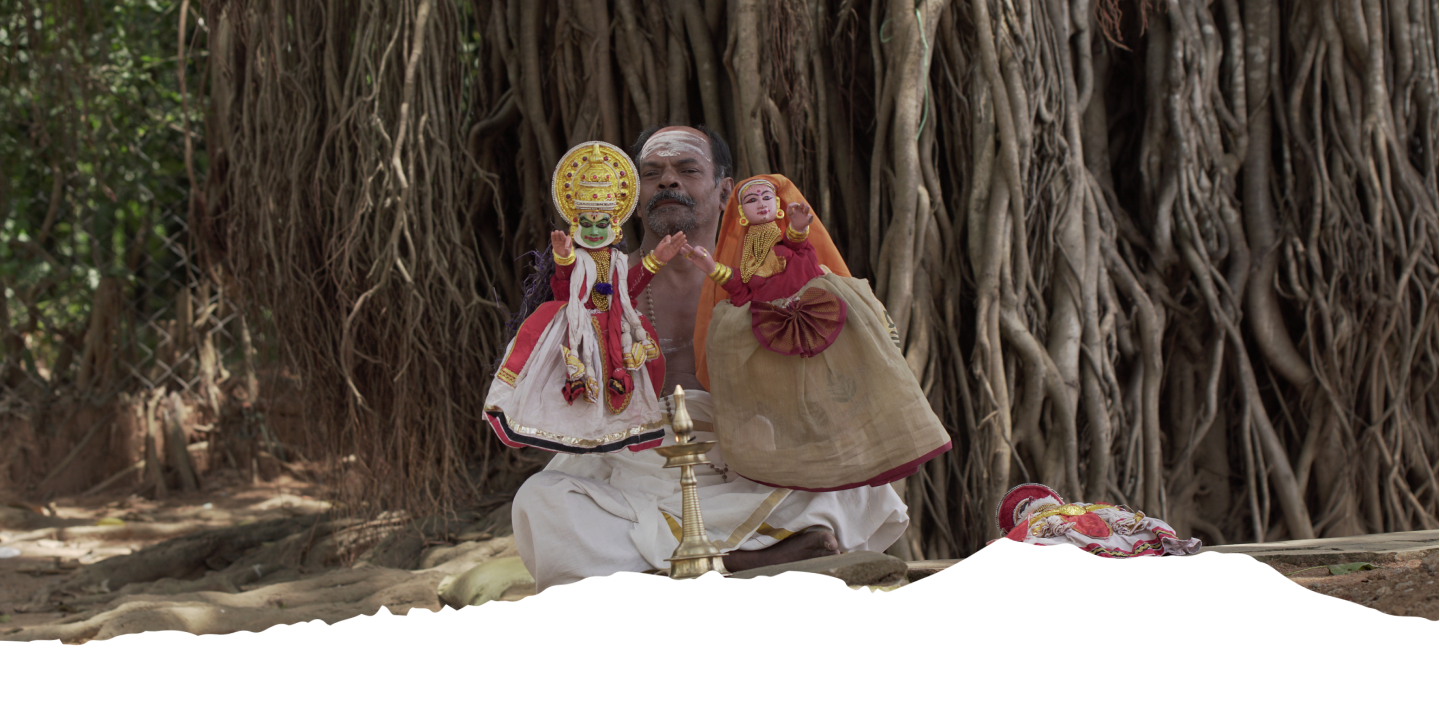
Thiruvilwamala is, at its heart, a temple town. The Sree Vilwadrinatha Temple sits on a 100-foot hillock, one of the rare Sri Rama temples in all of Kerala, with the majestic sweep of the Bharathapuzha visible from its grounds. Five poojas are held daily, with temple elephants participating in the Sreeveli processions. The bells, the chanting, the smell of incense drifting down the hill, it is not a performance for tourists. It is just how the day unfolds here.
Staying at a homestay in Kerala near this kind of living spiritual culture means you experience it the way locals do, not as a spectacle from behind a camera but as something ambient and real, woven into the fabric of the morning.
The Bharathapuzha and the quiet life along its banks
The Bharathapuzha, known affectionately as River Nila, is Kerala’s second largest river and one of its most culturally significant. It has inspired poets, musicians and writers for centuries. Thiruvilwamala sits right along its banks, and the river is not just scenery here. It is a presence.
Walking along the Nila at dusk, watching fishermen cast their nets or farmers returning from the fields across the river, is the kind of experience that no resort itinerary can manufacture. It asks nothing of you. You just need to show up and pay attention. That is something homestays in Kerala make naturally easy because you are already embedded in the landscape, not sealed off from it.
Handloom heritage from just down the road
A short distance from Thiruvilwamala lies Kuthampully, one of Kerala’s most celebrated handloom weaving villages. The kasavu sarees made here, with their fine cotton weave and distinctive gold borders, are worn at weddings and festivals across the state. Watching a weaver at the loom, understanding the patience each thread requires, is a genuine window into Kerala’s craft heritage that very few travellers get to see up close.
From a homestay in Kerala in Thiruvilwamala, this is not an excursion you have to plan weeks in advance. It is simply something you can do on a morning when you feel like wandering.
Home cooking that carries a whole region in one meal
Kerala’s midland cuisine is its own chapter. Coconut in everything, fresh curry leaves, raw banana, tapioca, jackfruit prepared in ways that will rearrange everything you thought you knew about vegetarian food. Surrounded by coconut and banana plantations, Thiruvilwamala is the kind of place where these ingredients come from the yard, not a supermarket.
A meal served on a banana leaf at a Kerala homestay is not a cultural gesture. It is just lunch. But sitting down to it in someone’s home, with the village going about its afternoon outside the window, is an experience that a restaurant version of the same food cannot replicate.
The Punarjani Cave and stories that have lasted centuries
Every place worth staying in has stories. Thiruvilwamala has them in abundance. The Punarjani cave, a natural tunnel carved through the rocky hills between Vilwamala and Bhoothamala, draws pilgrims who believe crawling through it cleanses the soul and offers rebirth. Whether or not you take part in the ritual, hearing your host speak about it over an evening cup of chai brings you close to a living mythology that books rarely capture well.
This is what homestays in Kerala offer that no guidebook can: the version of the story told by someone who grew up next to it.
Evenings that belong to you, not a resort programme
Perhaps the most underrated thing about staying in a homestay is what the evening is not. It is not a schedule. There is no poolside activity, no entertainment board, no check-in-time for the cultural show. There is the veranda. There is tea. There is the sound of paddy fields in the breeze and the occasional flicker of a temple lamp from somewhere up on the hill.
If you are lucky, your hosts will sit with you and talk. About the village, about the river, about what it was like here before the roads came through. These are the conversations that make homestays in Kerala so different from any other kind of accommodation. You are not a guest in a property. You are a guest in someone’s world.
A place that stays with you long after you leave
Thiruvilwamala is not a destination that tries to impress you. It is too rooted, too settled in its own identity for that. The hills, the river, the temple bells, the weavers at their looms, the warmth of a host who means it when they ask how you slept, all of it adds up to something that is genuinely difficult to describe to someone who has not felt it.
That is exactly why homestays in Kerala, in places like this, matter. Not because they give you a comfortable room. Because they give you a real place. Ready to experience the warmth, culture and quiet beauty of Thiruvilwamala for yourself? Explore Anamala Homestays.
Recent Articles

Homestays Near Mangottu Kavu: Where to Stay Guide
20 Aug, 2026

Best Homestays in Palakkad: A Complete Guide
13 Aug, 2026
Best Time to Visit Thrissur for a Memorable Stay
21 Jul, 2026