
22 Mar, 2026 By Anamalahomestays
The quiet way travel can give something back
You arrive just before sunset. The air smells faintly of cardamom and wet soil. And somewhere in the kitchen, coconut oil begins to crackle as dinner is prepared on an old iron kadai. This is often the first moment people understand something important. Travel does not always have to start from a place. Sometimes it can gently give back. Because when you stay in homestays in Kerala, your journey quietly supports real families, local farmers, neighbourhood cooks, small drivers, and guides who know every bend of the forest path.
And that is what sustainable tourism really looks like. Not a slogan. But a living system where travel helps a place breathe. So, if you have ever wondered how your holiday can help local communities while still giving you a deeply meaningful experience, this story will help you see how.
What sustainable tourism really means
Sustainable tourism simply means travelling in a way that protects nature, supports local people, and preserves culture for future generations. And one of the most natural ways to do this in Kerala is by choosing homestays in Kerala instead of large commercial resorts.
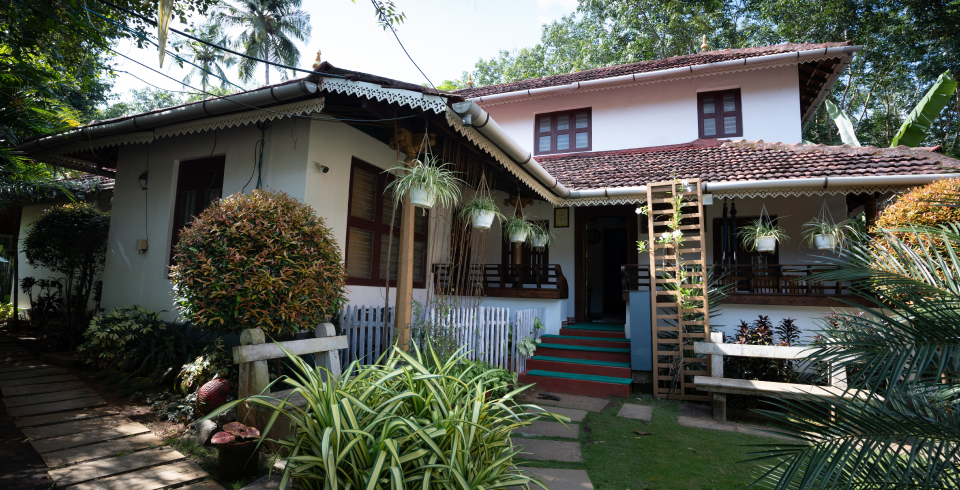
Because a homestay is not just accommodation. It is someone’s ancestral home. Often with red oxide floors, wooden windows, and a veranda that has watched decades of monsoon rains. And when travellers stay there, the benefits spread quietly through the community.
Why homestays in Kerala naturally support local communities
The beauty of homestays in Kerala is that the economic and cultural impact stays close to the land. Not in distant corporate offices. But right inside the village.
1) Income goes directly to local families
The first and most immediate impact is simple. The money you spend stays with the family who runs the home. And that income helps them maintain the house, educate their children, and preserve traditional architecture that might otherwise disappear. You might notice the old teak cupboard in your room. Or the polished wooden staircase creaking gently under your feet. These homes survive because travellers choose them.
2) Local food traditions stay alive
Dinner at a homestay is rarely a standard menu. Instead, it is often what the family cooks at home. Steamed rice on a banana leaf. Avial rich with coconut. Fish curry simmering slowly in a clay pot. And many ingredients come directly from nearby farms. Pepper vines growing on trees. Bananas from a neighbour’s garden. Spices sourced from local markets. So every meal quietly supports small farmers and traditional cooking methods.
3) Employment stays within the village
When travellers stay in homestays in Kerala, the experience often extends beyond the house itself. Local drivers offer plantation tours. Village guides lead forest walks. Women from nearby homes help with cooking and housekeeping. And slowly, a small ecosystem of livelihoods begins to grow. Not massive tourism development. But a steady, respectful income for people who already belong to the land.
4) Culture remains part of daily life
Large resorts often create curated cultural shows. But in homestays, culture simply continues as it always has. You might see the host lighting the evening lamp near a brass nilavilakku. Or hear temple bells from a nearby shrine carried by the wind. Sometimes children from the village walk past on their way to school. And these small moments remind travellers that Kerala’s traditions are not performances. They are living routines.
Why travellers increasingly choose homestays in Kerala
More travellers today are looking for experiences that feel personal and responsible. And homestays in Kerala offer exactly that. Because they provide something many hotels cannot. Real connection.
You wake to the smell of fresh filter coffee poured into a steel tumbler. Mist drifts across the hills outside the veranda. And the host might sit with you for a few minutes explaining which trail is best for a slow morning walk. It feels less like tourism. And more like visiting a friend who knows the land deeply.
Practical guide: Staying in homestays in Kerala
How to reach most homestays
Most homestays in Kerala are located in scenic rural regions such as the Western Ghats, backwaters, or plantation hills. Travellers typically reach them by:
• Flying to Kochi or Coimbatore
• Taking a train to nearby towns
• Driving through forest or plantation roads
The last stretch of the journey is often the most beautiful. Tall eucalyptus trees. Tea estates rolling over the hills. And quiet roads where mist sometimes drifts across the bonnet of your car.
Best time to visit
Kerala is beautiful throughout the year, but the experience changes with the seasons. October to March offers cool mornings and clear views. June to September brings the monsoon. And the rain transforms everything. The earth smells richer. Water streams down moss-covered stones. And the hills wear a deep shade of green.
What to pack
Packing for homestays in Kerala is simple. Comfortable walking shoes. Light cotton clothing. A light jacket for hill stations. And perhaps a small notebook. Because slow places like these often inspire quiet thoughts worth remembering.
Safety and comfort
Most homestays maintain a warm balance between tradition and modern comfort. Rooms are usually clean and spacious. Bathrooms are well-maintained. And hosts are always nearby if guests need help. For families and solo travellers, this sense of personal care often feels far more reassuring than anonymous hotels.
The deeper reason people return
Guests often say the same thing after staying in homestays in Kerala. They came for the landscape. But they remember the people. Because something small happens during these stays. You talk over breakfast beside a wooden dining table. You learn how pepper is harvested from a nearby tree. You hear stories about the house that go back two or three generations. And slowly the place begins to feel familiar.
Because sustainable travel is not complicated
People sometimes imagine sustainable tourism as a difficult choice. But often it is very simple. Choose places where families host you. Choose food cooked with local ingredients. Choose experiences guided by people who grew up there.
Because your stay supports real livelihoods. Because the house you sleep in stays preserved for the next generation. Because village traditions continue without becoming staged performances. Because the land is respected rather than overbuilt. And because travel feels more meaningful when it leaves a place a little stronger.
A gentle invitation
If you are planning a journey to Kerala, consider staying in homestays in Kerala (like Anamala Homestays) instead of large hotels. Come slowly. Stay a few days. Walk through plantations. Listen to the quiet of the hills. And if you are travelling with family, elders, or children, mention it when you enquire. Hosts often prepare differently when they know who is arriving. Because in homes like these, hospitality is still personal. Not scripted. Just like it has always been.
Recent Articles
Best Homestays in Thrissur with a Swimming Pool
19 Oct, 2026


Homestays Near Mangottu Kavu: Where to Stay Guide
20 Aug, 2026

Best Homestays in Palakkad: A Complete Guide
13 Aug, 2026