Homestays Near Mangottu Kavu: Where to Stay Guide

There is a particular kind of journey that begins with a deity and a weaver. A craftsman named Kuttan was so moved by a Goddess he encountered during a temple procession that he silently wished for her to follow him home. A sudden whirlwind lifted the cloth off the idol. Kuttan threw the fabric he was carrying to sell; it fell over the Goddess and stayed. She followed him. The Sree Mangottu Bhagavathi Temple at Athipotta in Palakkad district exists, centuries later, because of that quiet, unspoken wish.

People travel here as pilgrims, as families tracing a devotional tradition, and as curious travelers drawn by the Vela festival and the week of Kari Kali, Chamana Kali, and Kummatti that precedes it each April. What most have in common is the question of where to sleep. Athipotta is a small village, 24 kilometres from Palakkad city via Alathur, with no large hotel. The right answer is almost always a homestay in the surrounding area. This guide covers the homestays in Mangottu Kavu region: what to look for, what else to explore, and how to plan your visit properly.

Planning a pilgrimage or group visit to Mangottu Kavu? Anamala Homestays offers Deluxe rooms, premium rooms with private balconies, and spacious brick-built suites, an outdoor swimming pool, a children’s park, home-cooked Kerala meals, and easy access to the Palakkad and Thrissur temple corridor.

The Temple and the Festival Worth Knowing About

The Sree Mangottu Bhagavathi Temple is dedicated to Goddess Mangottu Bhagavathi, a fierce form of Shakti, and is built in traditional Kerala-style architecture. The Goddess is considered the younger sister of Parakkattu Bhagavathi, whose temple is in the nearby village of Kavasseri. Temple timings run from 4.30 am to 11 pm, which means early-morning visits are entirely possible and considerably more peaceful than midday visits.

The Mangottu Kavu Vela, the annual festival, falls on the second Sunday after Vishu in April. The week leading up to it is as much a part of the occasion as the day itself: Kodiyettam (flag hoisting) on the first Sunday, Kari Kali on Monday, when Mannadiar and Nair community members travel door to door singing devotional songs and dancing, Chamana Kali on Tuesday, and Kummatti on Wednesday alongside Chakyar Koothu and traditional puppet theatre. There is also a significant period in March when Parakkattu Bhagavathi is believed to close her Kavasseri temple and stay at Mangottu Kavu for seven days. Two occasions, one short window. If your dates can accommodate the April Vela week, plan accordingly and book ahead.

Why a Homestay Works Better Than a Hotel Here

Athipotta has no large hotel infrastructure. Staying in Palakkad city and making a day trip means losing the early-morning temple atmosphere, missing the Kari Kali processions through the village lanes, and spending more of your trip in a car than in the place itself. Homestays in Mangottu Kavu and the surrounding area give you proximity and context. A host who knows which day of the Vela week is most worth attending if you only have one. A kitchen producing food that matches the geography rather than a menu designed for turnover. A private space where your group can move at its own pace, particularly important when you have a 4.30 am temple visit on the schedule.

During the Vela week in April, private homestay options within a reasonable distance of Athipotta fill up well in advance. Six to eight weeks ahead is a sensible minimum if your trip coincides with the festival.

What Else Is Worth Seeing Nearby

•        Parakkattu Bhagavathi Temple, Kavasseri: The sister temple, directly connected to Mangottu Kavu through the legend of the two deities. Most pilgrims who visit one visit the other in the same trip.

•        Sree Vilwadrinatha Temple, Thiruvilwamala: One of four major Rama temples in Kerala, about an hour’s drive away. The Bharathapuzha is visible from the hilltop. A natural addition to any temple circuit.

•        Mangalam Dam, Alathur: A short drive from Athipotta. Works well as a slow afternoon between morning temple visits.

•        Kerala Kalamandalam: The deemed university for Kerala’s classical performing arts, 25 kilometres from Thiruvilwamala. If you are spending four or more days in the region, an evening performance is worth the drive.

•        Kuthampully Handloom Village: GI-tagged kasavu sarees have been woven here for 500 years. The cooperative showroom and working looms make for a specific, unhurried hour that most Kerala itineraries skip entirely.

When to Visit

  • April (Vela season): The main festival week. Hot weather, significant crowd on the Vela day itself, but the ritual calendar across the whole week makes it the most culturally rich time to visit. Book well ahead.
  • March (Meenam): The quieter period when Parakkattu Bhagavathi is believed to visit. Devotionally significant, fewer visitors.
  • November to February: Most comfortable weather. Good for temple visits and exploring the broader Palakkad region without festival pressure.
  • June to September (Monsoon): Lush landscape, very few visitors, lower rates. Worth considering if the festival calendar is not your reason for coming.

About Anamala Homestays

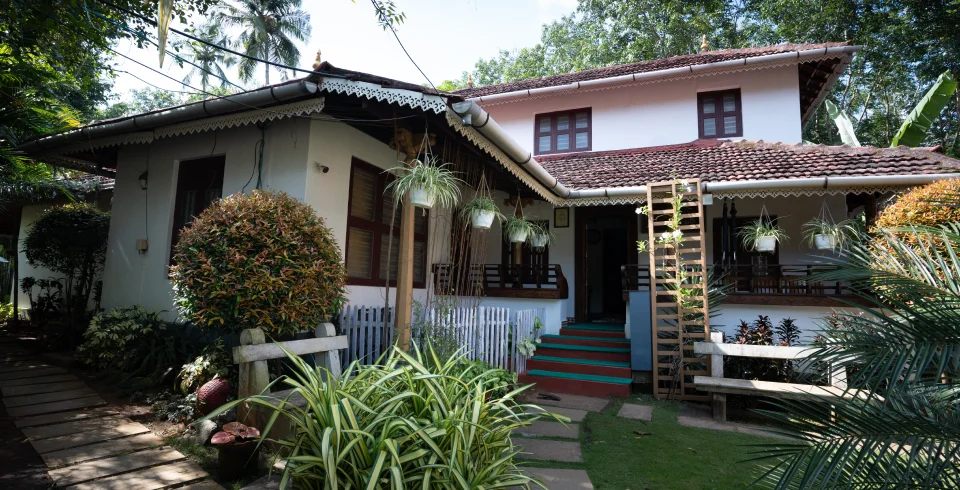
Anamala Homestays in Thiruvilwamala is a restored 80-year-old ancestral home built with mud block walls, Chettinad floor tiles, and antique furniture in some cases over a hundred years old. Every room has something on the walls, a photograph, an object, a piece of furniture that was made before most guests were born. It is the kind of place that feels lived in because it has been, by several generations of the same family before it was opened to guests.

Accommodation ranges from Deluxe Rooms and Premium Rooms with private balconies, to spacious Premium Suites for groups, and an African-inspired AC tent that is genuinely unlike anything else in the region. The property also has a swimming pool, a cafe, a toy train, a fish spa, a children’s park, a heritage hall, and an AC hall, which means it works just as well for families with young children as it does for couples looking for a quiet few days.

The food is home-cooked, the staff are genuinely attentive, and the surrounding area includes the Sree Vilwadrinatha Temple, Kerala Kalamandalam, Kuthampully village known for its handloom tradition, pottery-making experiences, canoe rides on the Bharathapuzha, and organic farms nearby. Guests have described it as a place where the hospitality feels personal rather than professional, which is probably the best thing you can say about a stay like this.

Travelling as a family or pilgrimage group and want to confirm dates? Visit www.anamalahomestays.com  or reach the team on WhatsApp at 9035290919. Share your group size, travel dates, and any meal requirements, and they will confirm availability and guide you from there.

The Weaver’s Wish and Your Weekend

Kuttan the weaver didn’t petition for anything grand. He saw something that moved him and quietly wished it closer. The trip to Mangottu Kavu tends to work the same way. You don’t come for spectacle. You come because the legend, the ritual, or the particular week of song and dance that a whole community builds toward each April pulled at something. And you go home carrying something a resort couldn’t have given you.

The right homestays in Mangottu Kavu and the surrounding area give you the base from which that trip becomes possible. Somewhere to return to after a 4.30 am temple visit. A meal made for your group that morning. A private pool for the April heat after a day of watching Kari Kali in the village lanes. Pudumana Homestays is that base, comfortable, private, and close enough to the whole temple corridor to make each day count.

The Vela week books out early. So do the better private stays. Head to anamalahomestays to lock in your dates before the week you had in mind is gone. WhatsApp the team on 9035290919 for a quick confirmation.

Frequently Asked Questions

Where is Mangottu Kavu temple located?

In Athipotta village, Palakkad district, 10 km from Alathur and 24 km from Palakkad city via Alathur. The nearest railway station is Lakkidi, approximately 15 km away. The nearest airport is Coimbatore International, about 97 km.

When is the Mangottu Kavu Vela festival?

The Vela falls on the second Sunday after Vishu in April. The festival week begins with Kodiyettam on the first Sunday after Vishu and includes Kari Kali, Chamana Kali, Kummatti, and traditional performing arts through to the Vela day. There is also a significant seven-day period in Meenam (March to April) when Parakkattu Bhagavathi is believed to visit the temple.

Are there good homestays near Mangottu Kavu?

Yes. Homestays in Mangottu Kavu and the surrounding Palakkad region are the best option for most visitors. Pudumana Homestays in nearby Thiruvilwamala is a three-bedroom private villa with a private pool and home-cooked meals, suited to families and groups of 8 to 12 guests.

How far in advance should I book for the Vela?

Six to eight weeks ahead at a minimum. Private villas in the region fill fast for the Vela week, especially for nights around Kari Kali and the Vela Sunday itself.

Can I combine Mangottu Kavu with other nearby temples?

Yes. The Parakkattu Bhagavathi temple at Kavasseri is the most direct pairing. The Sree Vilwadrinatha Temple at Thiruvilwamala and Kerala Kalamandalam round out a natural multi-day temple and cultural circuit from a single base.

How do I book Anamala Homestays?

Through the contact form at www.anamalahomestays.com or by WhatsApp on 9035290919. Share your dates, group size, and meal preferences, and the team will confirm availability.
Best Homestays in Palakkad: A Complete Guide

Most people plan a trip to Palakkad and immediately start looking for the nearest resort with a pool and a buffet. Then they arrive, spend two days in an air-conditioned box eating from a menu that could belong to any hotel in the country, and go home saying Palakkad was fine. Fine.

Palakkad is not fine. It is genuinely one of the most interesting districts in Kerala, part Western Ghats, part Tamil border culture, part ancient fort town, part wildlife corridor. The Bharathapuzha runs through it. Silent Valley sits inside it. Nelliyampathy rises above it. It is the kind of place that takes at least a week to understand properly and repays every hour of that week with something unexpected.

The problem isn’t the destination. It’s the accommodation choice. A homestay changes how you experience a place. It connects you to someone who actually lives there. And in Palakkad, where the real texture of life happens in villages, along river banks, and inside century-old family homes, that connection matters more than most places in Kerala.

This is a guide to finding the right homestays in Palakkad, what to look for, what to expect across the district, and why the choice of where you sleep shapes everything else about the trip.

Not sure where to start planning? Anamala Homestays sits just a comfortable drive from Palakkad and offers one of the most distinctive stays in the region.

Why Palakkad Deserves More Than a Passing Visit

Palakkad sits at the only major natural gap in the Western Ghats, the Palakkad Gap, which has shaped everything about the place: its climate, its culture, its food, and the way Tamil and Malayalam blend here in ways you don’t find further south or north. That geographical accident gave Palakkad a personality unlike any other district in Kerala.

The 18th-century Palakkad Fort stands in the middle of the city, preserved well enough to walk around and actually feel the weight of what happened there, from the Zamorins to Hyder Ali to the British. The Kalpathy River runs past the Viswanatha Swamy Temple, known locally as the Varanasi of the South, where the Ratholsavam chariot festival transforms the entire neighbourhood every November.

Go a little further from the city, and you hit places that barely show up in most travel articles. Nelliyampathy, which deserves to be mentioned in the same breath as Munnar but somehow isn’t, offers tea, coffee, pepper, and orange plantations alongside trekking trails and a cool climate that feels unearned given how hot the plains below can get. Parambikulam Tiger Reserve, in the far south of the district, is one of the best-managed wildlife sanctuaries in India. Silent Valley National Park remains one of the last truly undisturbed tropical rainforest tracts in the country.

Malampuzha Dam with its rock garden. Dhoni waterfalls, tucked into the Western Ghats forest. The handloom tradition in Kuthampully, just across the Thrissur border, which produces some of the finest Kerala kasavu fabric still made by hand.

The point is, Palakkad is not a two-day destination. It’s a full trip, and the accommodation you choose either opens that trip up or closes it down.

Why Homestays in Palakkad Work Better Than Hotels Here

Palakkad’s charm is not in its skyline. It’s in the way the paddy fields catch the early light, in the taste of a breakfast that was made that morning from produce grown close by, in a host who knows that the best time to visit a particular temple is when nobody else does.

A resort can’t give you any of that. Homestays in Palakkad tend to sit inside the landscape rather than on top of it. They are, more often than not, family homes that have been opened to guests, which means the food is personal, the knowledge of the area is genuine, and the experience of being there feels specific to where you actually are.

There is also a practical argument. Palakkad’s best places to visit are spread across the district, which means you’re often better served by a base that feels like home rather than a hotel room you’re paying to leave as quickly as possible. A good homestay host knows which roads to take, which local restaurants are worth stopping at, and which version of the standard tourist itinerary is worth skipping entirely.

What to Actually Look For When Choosing

A few things worth checking before you commit to a booking:

•        Location relative to your interests

If Parambikulam or Silent Valley is your reason for visiting, you want to be in the southern part of the district. If Nelliyampathy or the fort city is the draw, the central areas make more sense. Most homestays in Palakkad are not positioned for everything at once.

•        Meal arrangements

The best Palakkad homestays include home-cooked meals, usually a breakfast that might be appam with stew, dosas, puttu with kadala curry, or whatever the household actually eats. That distinction, food made for you rather than for a dining room, is worth asking about specifically before you book.

•        Host availability

A homestay where the host is genuinely present and happy to talk to you about the area is a very different experience from one where you get a key handed over and a WhatsApp number for emergencies. The former tends to be the one you remember.

•        How recent the reviews are

Reviews from two years ago tell you what the place used to be like. Check for recent ones, and look specifically at what guests say about the food and the host, not just the cleanliness.

Types of Homestays You’ll Find in the Palakkad Region

The Palakkad district covers a wide stretch of terrain, from the flat paddy-growing plains around the city to the forested ranges that climb toward the Western Ghats. The kind of stay available shifts quite a bit depending on where you’re looking.

Heritage Homes in the Fort Town and Surrounding Villages

Some of the most interesting family-stay options in Palakkad are in or near the old city, properties that have been in the same family for generations and carry the architectural and cultural character of that history. Kandath Tharavad in Thenkurussi is one well-known example, a 200-year-old ancestral home that blends heritage character with a comfortable stay. These properties suit travellers who want the cultural context of Palakkad rather than just its scenery.

Farm Stays and Nature Properties

The countryside around Palakkad, particularly in the direction of Nelliyampathy and the agricultural flatlands south of the city, is home to a growing number of farm stays and eco-friendly accommodation options. These tend to suit travellers who want space, greenery, and proximity to nature without needing to be near the main tourist circuit. Organic farms, properties with working gardens, and places that offer guided walks through their own land fall into this category.

Stays Close to the Wildlife Corridors

For travellers visiting Parambikulam, Silent Valley, or the Peechi-Vazhani Wildlife Sanctuary area, there are accommodations designed around early morning entry and the unique rhythms of wildlife watching. These tend to be simpler in terms of amenities but strong in terms of location and host knowledge about the natural surroundings.

Things Worth Doing While You’re in Palakkad

This is by no means a complete list, but these are the experiences that tend to define a good Palakkad trip rather than simply pass the time.

Walk the Palakkad Fort: It takes less than an hour and gives you a clear sense of the history of the entire region, from the Mysore Sultans to the British, inside a structure that has been maintained rather than turned into a theme park.

Drive up to Nelliyampathy: The road climbs through 14 hairpin bends to reach a plateau where coffee and tea estates sit alongside orange orchards and quiet trekking trails. It’s cooler, greener, and far less visited than the more famous hill stations further south.

Visit Malampuzha: The dam and gardens are popular enough that most people know them, but fewer people walk far enough into the surrounding area to find the rock garden built by Nek Chand, the only rock garden of its kind in South India.

Spend a morning at Kalpathy: The Viswanatha Swamy Temple sits on the Kalpathy River in what is essentially a preserved agraharam settlement, the houses and streets largely unchanged from how they looked a century ago. If you happen to be there during November, the Ratholsavam chariot festival is something that requires no context to appreciate.

Go looking for the Dhoni waterfalls: You have to trek into the forest to reach them properly, but the combination of the forest approach and the falls themselves is worth the effort, particularly between October and January when the water is still running well.

Eat at a local hotel, not a resort restaurant: Palakkad’s food sits at the intersection of Kerala and Tamil Nadu cuisines and is better for it. Rice-based meals, freshly made chutneys, sambar with a specific sourness you don’t find further west, and filter coffee that takes no shortcuts. Find where the locals eat and go there.

Planning your Palakkad itinerary and want help figuring out where to base yourself? Reach out to the Anamala Homestays team and we’ll help you plan the kind of stay that actually fits what you want to do.

Best Time to Visit and What Each Season Offers

Palakkad sees more temperature variation than most of Kerala because of its geography. The Palakkad Gap allows hot winds from the Deccan plateau to push through during summer, which means April and May can be genuinely harsh. That said, each season has something to offer.

November to February

This is the peak season and with good reason. Temperatures are pleasant, the landscape is still green from the monsoon, and cultural events, including the Kalpathy Ratholsavam in November, make it a particularly good time to visit. Homestays in Palakkad fill up during this period, especially around festival dates, so booking ahead matters.

June to September

The monsoon transforms Palakkad’s landscape in ways that justify a trip on their own. Waterfalls run at full capacity, the paddy fields are a shade of green that photographs poorly because it looks too vivid to be real, and the whole district smells like wet earth and fresh growth. Fewer tourists, lower rates, and a different side of the place entirely. Trekking is restricted in some forest areas during this period, so check before planning around Parambikulam or Silent Valley.

March to May

The heat is real and the humidity climbs toward the coast. Nelliyampathy remains bearable because of its elevation. If Palakkad is part of a longer Kerala route rather than a standalone trip, this is the season where spending more time up in the hills and less time in the plains makes practical sense.

About Anamala Homestays

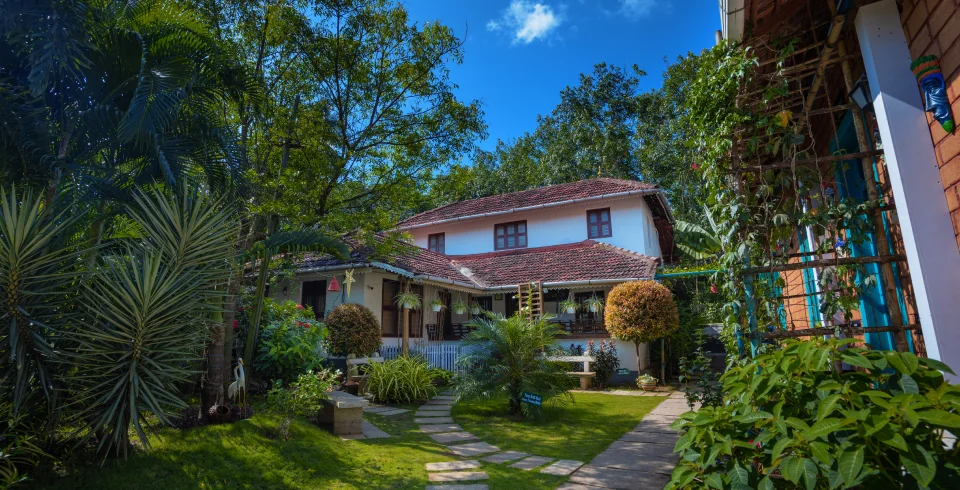
Anamala Homestays in Thiruvilwamala is a restored 80-year-old ancestral home built with mud block walls, Chettinad floor tiles, and antique furniture in some cases over a hundred years old. Every room has something on the walls, a photograph, an object, a piece of furniture that was made before most guests were born. It is the kind of place that feels lived in because it has been, by several generations of the same family before it was opened to guests.

Accommodation ranges from Deluxe Rooms and Premium Rooms with private balconies, to spacious Premium Suites for groups, and an African-inspired AC tent that is genuinely unlike anything else in the region. The property also has a swimming pool, a cafe, a toy train, a fish spa, a children’s park, a heritage hall, and an AC hall, which means it works just as well for families with young children as it does for couples looking for a quiet few days.

The food is home-cooked, the staff are genuinely attentive, and the surrounding area includes the Sree Vilwadrinatha Temple, Kerala Kalamandalam, Kuthampully village known for its handloom tradition, pottery-making experiences, canoe rides on the Bharathapuzha, and organic farms nearby. Guests have described it as a place where the hospitality feels personal rather than professional, which is probably the best thing you can say about a stay like this.

Founded by Noufel A N, a local from Thiruvilwamala, Anamala was built out of a genuine desire to share the region’s heritage with travelers from outside it. That intention shows in how the place runs.

Frequently Asked Questions

  1. What is the best time to visit Palakkad?
    November to February is the most comfortable window, with pleasant temperatures and a busy cultural calendar. The monsoon months (June to September) are quieter, cheaper, and genuinely beautiful if you don’t mind the rain.
  2. Are homestays in Palakkad better than hotels?
    For most travellers, yes. You get home-cooked meals, a host who actually knows the area, and a stay that feels specific to Palakkad rather than generic to anywhere in India.
  3. How far in advance should I book a homestay in Palakkad?
    At least 4 to 6 weeks ahead if you’re visiting between November and February, or during the Kalpathy Ratholsavam festival in November. During the monsoon, availability is usually more open.
  4. What should I look for when booking a homestay in Palakkad?
    Location relative to where you want to go, whether meals are included, how present the host is, and how recent the reviews are. Those four things tell you almost everything you need to know.
  5. Is Palakkad suitable for families with children?
    Yes. It’s a relaxed destination with space, nature, history, and a pace that works well for all ages. A homestay setting adds the warmth and flexibility that make family travel easier.
  6. What are the must-visit places in Palakkad?
    Palakkad Fort, Nelliyampathy, Malampuzha Dam and Gardens, the Kalpathy Temple area, Parambikulam Tiger Reserve, and the Dhoni Waterfalls cover the main ground.
  7. Is a car necessary for exploring Palakkad?
    It helps a lot. The district’s best places are spread out and not always well-connected by public transport. Most homestay hosts can arrange local transport or point you toward reliable options.

A Final Thought Before You Book

Palakkad has a way of surprising people who showed up expecting very little. The fort is better than you think it will be. Nelliyampathy is cooler and quieter than you were promised. The food is more distinctive than anything you’ll eat in a resort dining room. And the people, once you’re actually staying with them rather than checking in across a reception desk, have a lot to say about where you are.

The best homestays in Palakkad don’t just give you somewhere to sleep. They give you a starting point for understanding a place that most visitors miss entirely by staying somewhere that could be anywhere.

Pick somewhere specific. Book early if you’re visiting between November and February. And maybe leave a day unplanned at the end, because Palakkad has a habit of suggesting things at the last minute that turn out to be the whole point of the trip.

Ready to plan a stay that actually gets Palakkad right? Anamala Homestays is a short drive from Palakkad and offers a heritage experience rooted in real Kerala hospitality. Tell us your dates, who’s travelling with you, and what you’re hoping to do. Visit www.anamalahomestays.com and let’s figure out the rest together.