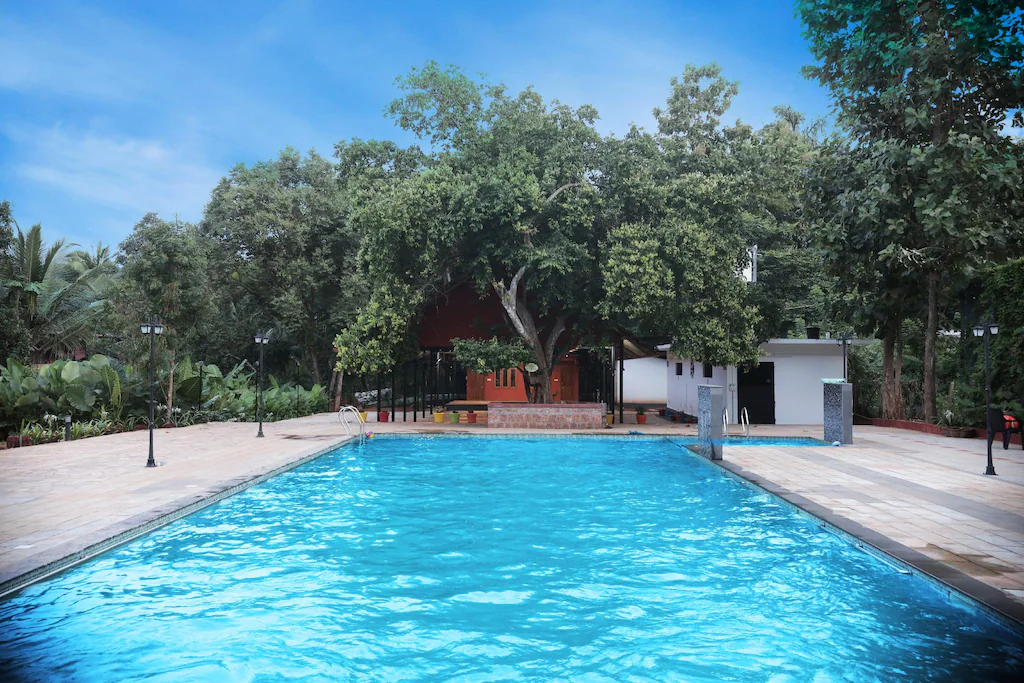
The Quiet Fear Many Adults Carry
Water can feel intimidating at first. Maybe you know that feeling. Standing near a pool. Everyone else steps in easily while you hang back a little. Not because you do not want to try. Just because your body hesitates. And the funny thing is most people are not really afraid of water. I think they are afraid of losing control inside it. The moment your feet cannot feel the ground, your mind starts racing.
That is why beginner-friendly swimming classes in Thrissur matter so much. They slow everything down. No rushing. No embarrassment. No instructor shouting from the pool edge. Just a calm space where you learn to breathe, float and trust the water one step at a time. And once that first bit of fear loosens, you start to enjoy the water.
Who These Swimming Classes Are Perfect For
People join swimming classes in Thrissur for different reasons. Some are practical. Some are emotional. Some just want to stop avoiding pools during family holidays.
1) Adults Who Never Learned Swimming
A lot of adults in Kerala never had access to swimming lessons growing up. Maybe there was no proper swimming pool nearby. Maybe parents are worried about safety. Or maybe life just moved on. Adult beginner swimming lessons usually start slowly. You step into the shallow end. You hold the edge of the pool tiles. The instructor shows you how to breathe properly. Then floating. Then, gentle kicking. Nothing dramatic. Just small steps inside the water.
2) Children Learning Water Safety
Kerala has rivers, ponds, backwaters, and waterfalls. Water is everywhere. So many parents now look for structured swimming training in Thrissur for their children. Not just for sport but for safety. Kids usually learn faster than adults. They splash, laugh, hold the kickboard, and suddenly they are gliding across the pool. It happens quickly.
3) People Looking for a Different Kind of Workout
Some people simply get bored with gyms. You know the routine. Treadmill. Mirrors. Same playlist every evening. Swimming feels different. A few laps in a quiet swimming pool in Thrissur early in the morning can wake your whole body. The water cools your skin. Your breathing slows down. And the exercise happens without that heavy, sweaty feeling.
Why Learning to Swim Is Easier Than You Think
Most beginners assume swimming is complicated. I thought the same when I was younger. But the body actually floats naturally in water. Trainers explain this during the first few sessions of most swimming classes in Thrissur.
The real challenge is relaxing your body. Sounds simple. Harder to do. Your shoulders tense. Your breathing becomes quick. The moment water touches your face, you panic a little. So, instructors begin with the basics. Holding the pool wall. Practising slow breathing. Floating with a support board. Kicking gently while gripping a foam float.
The pool becomes familiar. The smell of chlorine. The sound of splashing. The cool blue tiles under your feet. Little by little, your mind stops fighting the water. And something interesting happens. You start trusting and enjoying it.
What Happens in a Beginner Swimming Class
If you imagine strict athletic training, that is not really how beginner sessions work. Most swimming classes in Thrissur keep things simple. Very simple.
1) Warm Up and Getting Comfortable in Water
You start in the shallow end. Water usually reaches chest level. You hold the edge of the pool while the instructor explains breathing control. Inhale. Exhale slowly. Put your face in the water for a second. Lift it again. It feels awkward the first time. Everyone laughs a little.
2) Floating Practice
Floating is the moment that changes everything. Once someone floats on their back, fear drops immediately. The water holds your body. The ceiling above you feels calm. The instructor stands nearby just in case. Foam boards and floating tubes help beginners stay steady. And after a few tries, most people realise something, their body can stay on the surface without effort.
3) Basic Kicking
You hold a kickboard. Your arms stretch forward. Legs move behind you. Small splashes. The instructor walks along the side of the swimming pool in Thrissur, correcting posture here and there. Nothing intense. Just rhythm.
4) First Swimming Movements
Only after comfort improves do trainers introduce basic strokes. Freestyle usually comes first. Some instructors teach backstroke basics also. Good swimming classes in Thrissur never rush this stage. Confidence matters more than speed.
Things to Look for Before Joining Swimming Classes
Choosing the right place matters. Some pools feel welcoming immediately. Others feel crowded and chaotic. You probably know the difference within five minutes of walking in.
1) Trainers Who Understand Beginners
A good swimming coach knows how nervous beginners can be. They watch body language closely. Tight shoulders. Fast breathing. Hesitation near the pool steps. The better swimming classes in Thrissur handle this gently. No pressure. Just guidance.
2) Clean Pools and Safe Facilities
Visit the facility once before enrolling. Look around the swimming pool in Thrissur that you plan to use. Is the water clear? Are the changing rooms clean? Are there lifeguards watching the pool? These small details matter more than fancy marketing.
3) Separate Beginner Batches
Learning becomes easier when everyone around you is also learning. Some centres mix advanced swimmers with beginners. That can feel intimidating. Many well-known swimming classes in Thrissur run separate beginner batches.
4) Separate Batches for Girls / Ladies
Many parents feel more comfortable when their daughters learn swimming in a women-only environment. And honestly, many adult women feel the same way. Stepping into a pool for the first time already takes courage. Doing that in a mixed batch can sometimes feel awkward. So, several swimming classes in Thrissur, including Anamala Swimming Academy, organise separate batches for girls and ladies. These sessions are usually quieter. More relaxed. Parents appreciate privacy. Women feel less self-conscious. And that small sense of comfort often makes learning much easier.
Best Time to Join Swimming Classes in Thrissur
Swimming lessons run throughout the year. But certain seasons feel more comfortable.
1) Ideal Months
October to March is usually pleasant. Morning air feels cool. The pool water is comfortable. You do not feel exhausted after a session. Summer months are busy too. Many children join swimming classes in Thrissur during school holidays.
2) Morning or Evening Sessions
Morning sessions are quieter. Sunlight reflects on the pool water. Coconut trees move slightly in the breeze. The whole place feels calm. Evening batches work well for office goers finishing work in Thrissur town. Both have their charm.
What You Should Bring to Your First Class
Your first day does not need much preparation. Just a few basics. Swimwear. A swimming cap. Goggles. A towel. And maybe flip flops for the pool deck. Most swimming classes in Thrissur also ask students to shower before entering the pool. A simple rule. Keep the water clean for everyone.
A Small Truth About Fear of Water
Fear rarely disappears instantly. It softens. Because the instructor stands beside you.
Because the shallow end feels safe. Because the pool wall stays within reach. Because your breathing becomes steady. Because floating suddenly feels possible. Because your body realizes water can support you.
Then one day, something small happens. You push away from the pool edge. Your arms move forward. For a few seconds, you glide through the water alone. No panic. No rush. Just movement. And that moment stays with you.
Maybe This Is Your Moment to Start
You do not need to become a competitive swimmer. Most people just want to feel comfortable in water. To step into a pool without hesitation. To enjoy a beach trip. To stand under a waterfall in the hills without worrying. And maybe that starts with something small. A beginner batch at one of the swimming classes in Thrissur nearby. Maybe even a quiet place like Anamala Swimming Academy, where trainers move patiently with beginners. Just one lesson. See how it feels. Water has a strange way of welcoming people once they give it a chance.
Frequently Asked Questions About Swimming Classes in Thrissur
Can adults learn swimming after 30 or 40?
Yes. Many adults join swimming classes in Thrissur later in life. Beginner batches are common, and trainers move at a comfortable pace.
How long does it take to learn to swim?
Most beginners learn floating and basic movement within 10 to 15 sessions. Confidence grows with practice.
Are swimming classes safe for children?
Yes, when conducted in supervised swimming pools in Thrissur with trained instructors and lifeguards.
Is swimming good for fitness?
Swimming works almost every muscle group. It improves stamina, breathing capacity and overall fitness while staying gentle on joints.