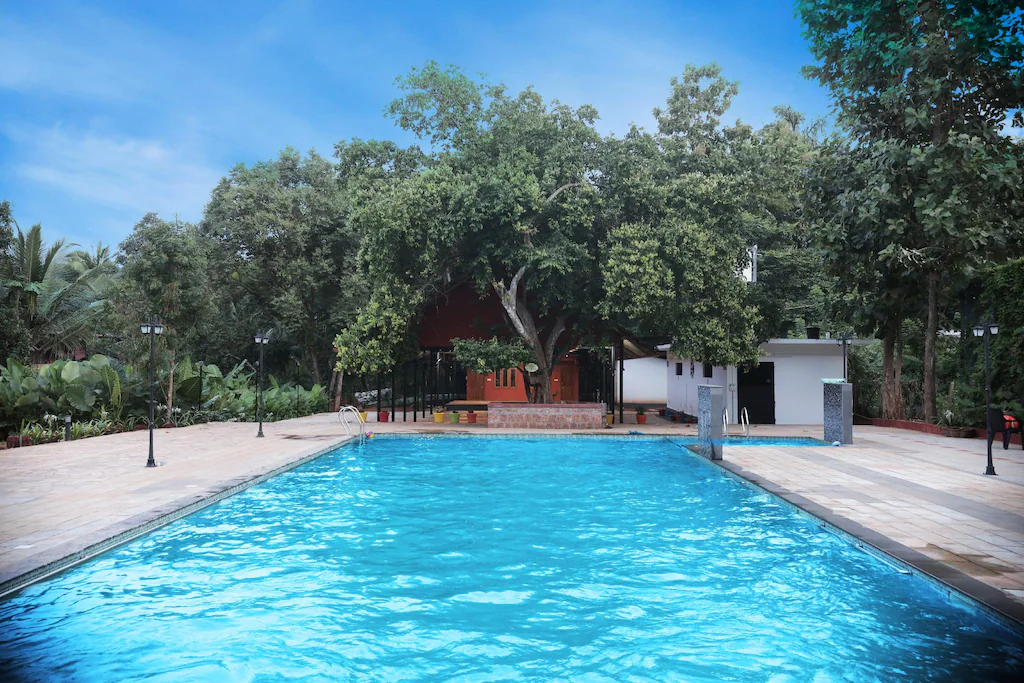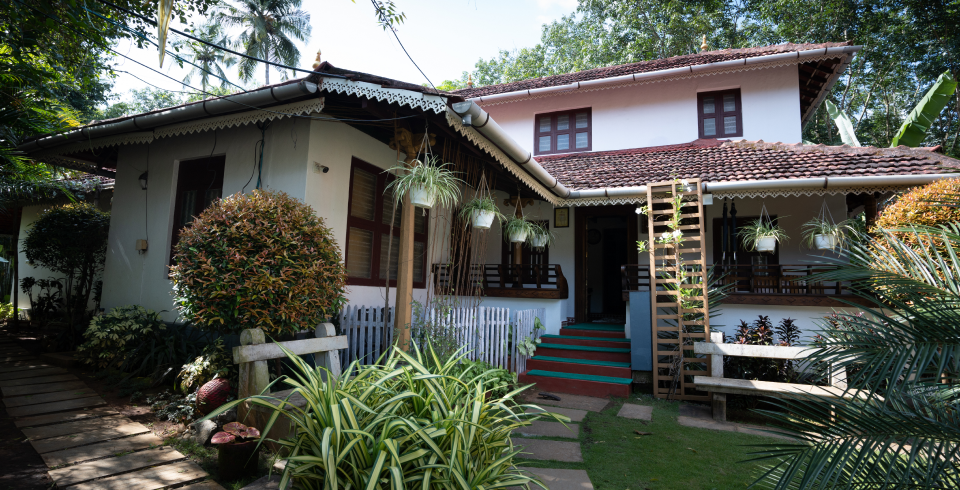
Summer Stays at Thiruvilwamala Homestays: Cool Breezes and Peaceful Mornings

When the rest of Kerala bakes under the summer sun, one quiet hill town remains gloriously cool, green, and unhurried. Welcome to Thiruvilwamala.

Summer in Kerala can be intense. The heat wraps around cities like a warm blanket nobody asked for, and the urge to escape becomes impossible to ignore. Beaches get crowded. Hill stations get overbooked. And somewhere between the noise of popular tourist destinations and the soul-draining scroll through hotel booking apps, most travellers forget that the most beautiful places are often the ones nobody is rushing to.

Thiruvilwamala is one of those places. Tucked along the banks of the Bharathapuzha river in Thrissur district, this serene temple town rises gently into forested hills and offers something rare in the modern world: genuine stillness. And the best way to experience it is not through a resort or a hotel but through the warm, personal hospitality of homestays in Thiruvilwamala, where mornings smell like filter coffee and evenings belong to the sound of birds.

Why is Thiruvilwamala the Perfect Summer Escape?

Most people who visit Thiruvilwamala come for the famous Thiruvilvamala Rama Temple, one of Kerala’s most spiritually significant shrines. But those who stay longer discover something even more valuable: a microclimate that keeps the town noticeably cooler than the plains below, natural surroundings rich with biodiversity, and a pace of life that feels like a gentle exhale.

The elevation of the Thiruvilwamala hills, combined with the proximity of the Bharathapuzha river valley and the dense canopy of trees, creates natural ventilation that keeps temperatures comfortable even during peak summer months. Early mornings here are misty, quiet, and cool. Afternoons drift by slowly. Evenings invite long walks and unhurried conversations on open verandahs.

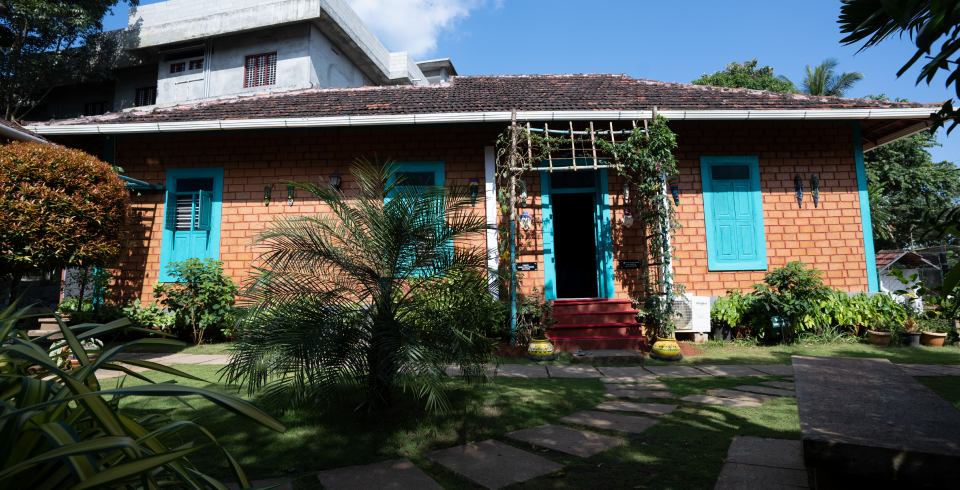
For travellers exhausted by crowded tourist circuits, homestays in Thiruvilwamala, especially Anamala Homestays, offer something no five-star property can manufacture: authenticity.

What Makes Homestays in Thiruvilwamala So Special?

There is a reason the homestay experience has grown enormously in popularity across Kerala, and Thiruvilwamala is a perfect example of why. When you stay at a local home rather than a commercial property, you are not just renting a room. You are being welcomed into someone’s life.

Warm Local Hospitality

Kerala homestay culture is rooted in the ancient tradition of Atithi Devo Bhava, the belief that a guest is like a god. Hosts at homestays in Thiruvilwamala go out of their way to make visitors feel at home, offering freshly cooked Kerala meals, local tips on the best spots to visit, and the kind of personalised attention that no hotel front desk can replicate.

Traditional Kerala Architecture

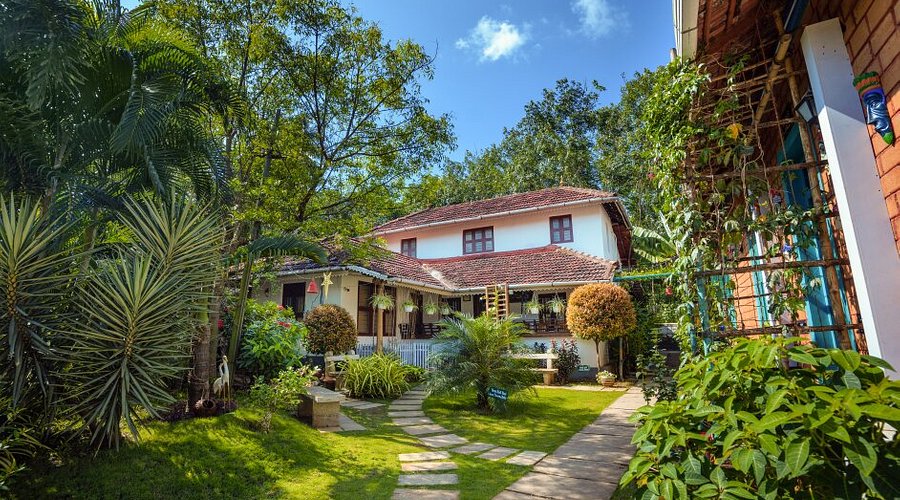
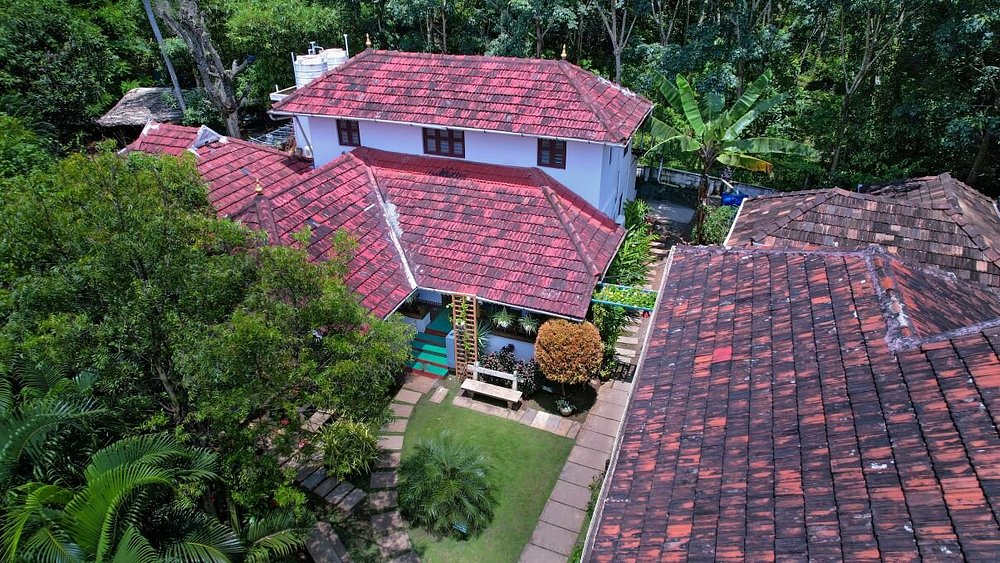
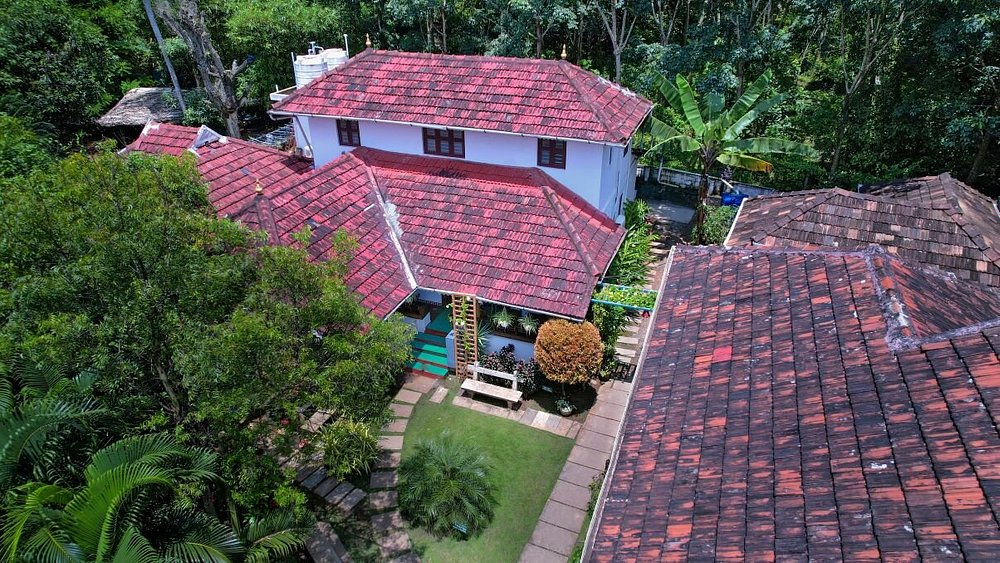
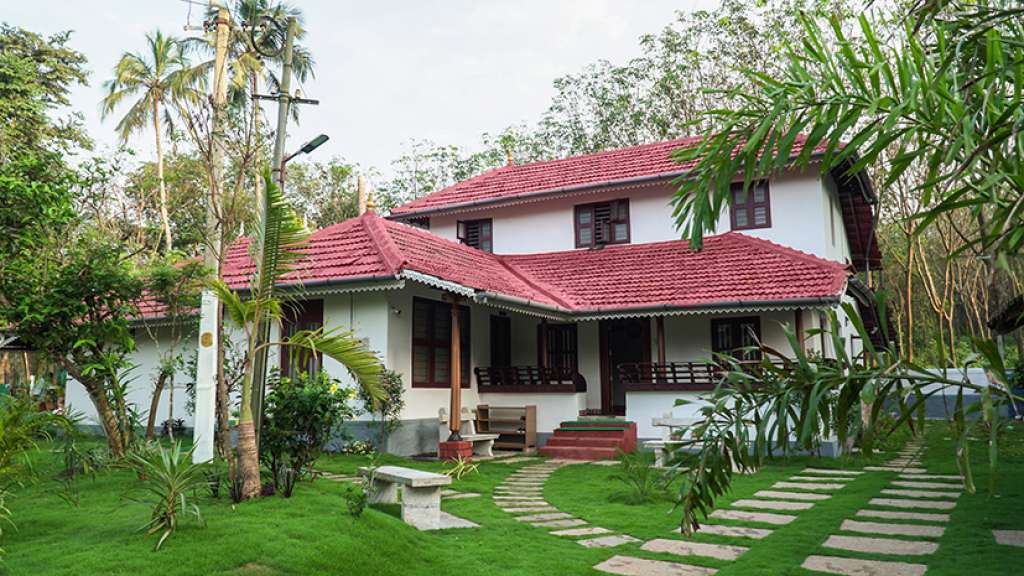
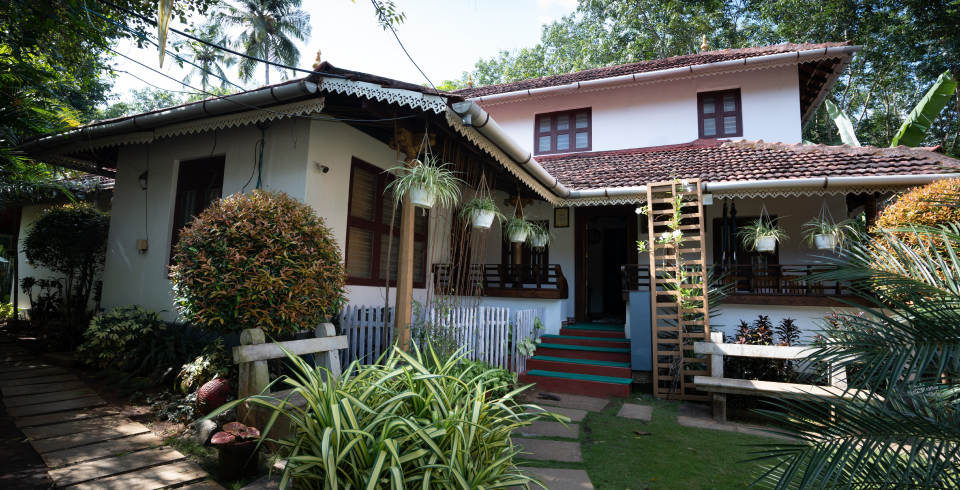
Many homestays in the region are housed in traditional Tharavadu homes, ancestral Kerala houses with sloping tiled roofs, wooden pillars, central courtyards, and open porches. Staying in one of these homes is a living experience of Kerala’s architectural heritage, something that has become increasingly rare as modern construction takes over. The thick walls and natural ventilation of these old homes keep interiors naturally cool, making them perfectly suited to summer stays.

Farm-to-Table Meals That Tell a Story

Food at a good homestay is never generic. It is deeply local. Expect to wake up to steaming puttu and kadala curry, freshly made Kerala porotta with vegetable stew, or soft idlis accompanied by chutneys ground fresh that morning. Many homestays in Thiruvilwamala source vegetables from their own kitchen gardens or from neighbouring farms, giving you meals that are seasonal, organic, and bursting with flavour. Rice dishes cooked in coconut milk, fish curries tempered with Kachampuli and curry leaves, and banana-leaf sadyas on special occasions make every meal a moment to remember.

The Sounds and Scents of a Thiruvilwamala Morning

There is no better time to experience Thiruvilwamala than early morning. Before the world fully wakes, the town belongs to birdsong, the distant chanting from the temple on the hill, and the mist that hangs low over the river valley like nature’s own curtain.

Wake up at a homestay here and you will step out onto a dew-wet courtyard or a wide verandah with a view of coconut palms, jackfruit trees, and open paddy fields stretching toward the horizon. The air carries traces of wet earth, temple flowers, and wood smoke from someone’s early morning kitchen. It is the kind of morning that makes you put your phone down and simply breathe.

This sensory richness is something that rural Kerala homestay experiences are uniquely positioned to offer, and it is one of the primary reasons travellers who discover homestays in Thiruvilwamala return again and again.

Things to Do Around Thiruvilwamala During Summer

A stay here is as active or as restful as you want it to be. The region offers a thoughtful mix of spiritual tourism, nature experiences, and cultural immersion that suits solo travellers, couples, and families alike.

Visit the Thiruvilvamala Rama Temple

The spiritual heart of the town, this ancient temple dedicated to Lord Rama sits atop a picturesque hill and is considered one of Kerala’s most important Vaishnava shrines. The climb to the temple through shaded forest paths is itself a meditative experience, and the view from the top of the Bharathapuzha river and the surrounding plains is breathtaking.

Explore the Bharathapuzha Riverbank

The Bharathapuzha, also known as the Nila river, is Kerala’s longest river and flows near Thiruvilwamala with quiet dignity. Early mornings and late evenings along the riverbank offer peaceful walks, bird watching opportunities, and beautiful light for photography. The river is significantly calmer during summer, making it easier to explore the sandy banks and shallow stretches.

Nature Walks and Forest Trails

The hills around Thiruvilwamala are home to a variety of trees, herbs, and wildlife. Guided nature walks arranged through local homestays in Thiruvilwamala take guests through forest paths where you can spot medicinal plants, seasonal wildflowers, and a wide variety of birds including kingfishers, sunbirds, and woodpeckers.

Explore Nearby Cultural Attractions

Thiruvilwamala is ideally located for day trips to several culturally rich destinations. Thrissur city, with its famous Vadakkumnathan Temple and cultural museums, is within easy reach. The Peechi Vazhani Wildlife Sanctuary offers another wonderful day excursion for nature lovers. Guruvayur, one of Kerala’s most revered temples, is also accessible as a day trip.

Attend Local Festivals and Rituals

Summer in Kerala coincides with several temple festivals in the region. Staying at a local homestay gives you privileged access to these celebrations, as your hosts can guide you on the best spots to witness processions, music performances, and traditional rituals that most tourists never get to see up close.

The Wellness Angle: Rest, Recharge, and Reset

In a world that glorifies busyness, places like Thiruvilwamala offer something quietly radical: permission to slow down. The unhurried rhythm of rural Kerala life, the absence of traffic noise, the gentle schedule of temple bells and birdsong, all work together to reduce cortisol levels and restore a sense of inner calm that urban life steadily erodes.

Many travellers choose homestays in Thiruvilwamala specifically as a digital detox retreat. Without the constant buzz of city life, the mind begins to settle. Sleep improves dramatically. Appetite becomes more intuitive. Creative thinking, the kind that gets buried under to-do lists and screen time, tends to resurface.

Several homestays in the area also offer access to traditional Ayurvedic treatments, yoga sessions at sunrise, and meditation corners that overlook gardens or open fields. These wellness-oriented experiences fit naturally into the local landscape and can be arranged through your host with ease.

Practical Tips for Planning Your Summer Homestay in Thiruvilwamala

Planning makes all the difference when visiting a quieter destination. Here are a few things to keep in mind before you pack your bags.

Book Early: Summer is becoming an increasingly popular time for rural tourism in Kerala as travelers seek cooler, quieter alternatives to mainstream hill stations. Good homestays in Thiruvilwamala tend to fill up, so book at least two to three weeks in advance for peace of mind.

Pack Light and Comfortable: Cotton clothing is ideal for Kerala’s humid warmth. Light layers work well for cool mornings and evenings on the hills. Comfortable walking shoes are essential if you plan to hike to the temple or explore forest trails.

Embrace the Local Schedule: Homestay life runs on a different clock. Meals are served at traditional times, the household rises early with the temple bells, and evenings wind down gracefully. Leaning into this rhythm rather than fighting it is the secret to truly enjoying the experience.

Try Everything on the Plate: Do not hesitate to try unfamiliar Kerala dishes. Your host knows best, and every meal is prepared with care. If you have dietary preferences or allergies, communicate them in advance. Most homestay hosts are wonderfully accommodating.

Respect the Sacred Environment: Thiruvilwamala is a temple town with deep spiritual significance. Dress modestly when visiting the temple, observe local customs, and approach the environment with the quiet reverence it deserves.

Why Families Love Thiruvilwamala Homestays?

Summer holidays are precious, especially for families with school-going children who have a narrow window to travel together. Homestays in Thiruvilwamala offer an ideal family vacation environment because they combine safety, comfort, and genuine learning experiences.

Children who grow up visiting places like this develop a natural curiosity about culture, nature, and history. They get to see how traditional Kerala homes are built, taste food grown in real gardens, watch temple rituals up close, and play in open spaces away from screens. These experiences are the kind that shape perspective and build character in ways that no classroom curriculum can.

For parents, the knowledge that their children are in a safe, homely, and supervised environment allows them to truly relax on vacation, something that is surprisingly rare in overcrowded tourist destinations.

The Growing Appeal of Offbeat Kerala Tourism

Kerala tourism has long been celebrated for its backwaters, beaches, and tea gardens. But a quieter revolution is taking place. Travellers across India and beyond are increasingly choosing offbeat Kerala destinations over the well-worn tourist trail, drawn by the promise of authentic experiences, lesser crowds, and a deeper connection with local culture and nature.

Thiruvilwamala sits beautifully at the heart of this trend. It offers spiritual depth, natural beauty, cultural richness, and genuine hospitality, all without the commercialisation that has diluted the charm of more famous destinations. Homestays in Thiruvilwamala are the perfect vehicle for this kind of travel, putting visitors directly in the hands of local families who know and love their home and want to share it.

A Stay You Will Talk About Long After Summer Ends

Travel memories are not made in crowded lobbies or generic buffet spreads. They are made in the small moments: a host grandmother teaching you to roll out appam batter, a sunrise seen from a hilltop temple with no one else around, a child from the neighborhood showing you where the best mangoes grow, an evening spent listening to old stories on a candlelit porch with the sound of rain beginning on terracotta tiles.

Homestays in Thiruvilwamala give you these moments in abundance.

This summer, consider stepping off the tourist highway and into a quieter, greener, more meaningful kind of travel. The cool breezes are already waiting. The mornings are already peaceful. All you have to do is show up. Planning your summer getaway? Search for certified and well-reviewed homestays in Thiruvilwamala like Anamala Homestays through trusted Kerala tourism platforms, ask your host for personalized recommendations once you arrive, and let the gentle pace of this beautiful town do the rest.

How Swimming Classes in Thrissur Help You Lose Weight Faster Than the Gym?

The secret to faster fat burn might just be in the water. Here’s why thousands of families in Thrissur are making the splash.

If you have been grinding away on treadmills or lifting weights at the gym with slower-than-expected results, you are not alone. Many fitness enthusiasts across Kerala are discovering what sports scientists have known for decades: water is one of the most powerful weight-loss environments on the planet. And you do not have to look far to find world-class swimming classes in Thrissur that are transforming bodies, boosting confidence, and making fitness genuinely fun, especially for children.

So, what makes swimming so special? Let’s dive in.

Water Works Harder So You Don’t Have To (As Much)

When you step into a pool, your body immediately faces resistance in every direction. Water is approximately 800 times denser than air, which means every kick, every stroke, and every turn burns significantly more calories than the equivalent movement on land. A 60-minute swim at a moderate pace can torch anywhere between 400 and 700 calories, depending on body weight and stroke style. Compare that to a casual gym session, and the numbers speak for themselves.

Swimming classes in Thrissur are structured to take full advantage of this resistance. Trained instructors guide swimmers through a variety of strokes like freestyle, breaststroke, backstroke, and butterfly, each of which targets different muscle groups and keeps the metabolism firing long after you towel off.

The Full-Body Burn That Gyms Can’t Match

At the gym, most machines isolate specific muscle groups. The leg press works your legs. The bench press works your chest. But swimming is a whole different story.

Every stroke in the pool engages your core, arms, shoulders, back, glutes, and legs simultaneously. This full-body engagement leads to higher calorie expenditure, better muscle tone, and improved cardiovascular health, all in a single session. It is like combining cardio, strength training, and flexibility work into one fluid workout.

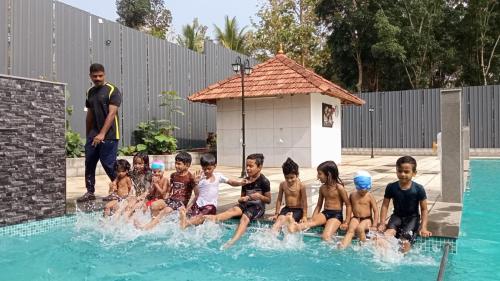
Children who join swimming classes in Thrissur benefit enormously from this full-body conditioning. At a young age, their growing bodies respond quickly to this kind of balanced physical activity, building lean muscle, improving posture, and establishing healthy metabolic habits that last a lifetime.

Low Impact, High Results: The Advantage Nobody Talks About

One of the biggest reasons people quit the gym is joint pain. Running, jumping, and heavy lifting all put enormous stress on knees, hips, and ankles. This is particularly concerning for children who are still developing and for adults with existing joint issues.

Swimming is a low-impact activity, meaning the buoyancy of water supports a large portion of your body weight, drastically reducing stress on joints while still delivering an intense cardiovascular workout. You get all the benefits of vigorous exercise without the wear and tear.

This is exactly why certified swimming classes in Thrissur are ideal for children of all fitness levels, including those who are overweight or less athletic and adults who are serious about weight loss. The pool is a welcoming, non-judgmental environment where every child can start at their own pace and build up progressively.

Metabolism Gets a Serious Boost

Here is a fascinating fact: because water is cooler than your body temperature, your body works harder to maintain its core heat while swimming. This thermogenic effect means your metabolism stays elevated, not just during the swim but for hours afterwards. Fitness experts call this the “afterburn effect,” and swimmers benefit from it in every single session.

Regular swimming classes in Thrissur build this metabolic advantage over time. Children who swim consistently develop faster resting metabolic rates, which means they burn more calories even while sitting in school or sleeping at night. It is one of the smartest long-term fitness investments a parent can make.

Why Children Lose Weight Faster Through Swimming?

Children are natural swimmers. Their sense of play, curiosity, and energy make the pool an exciting space rather than a place of effort. When a child does not feel like they are “working out,” they push harder, last longer, and enjoy the process more. This is the magic of structured swimming programs designed for young learners.

Here is what happens when children attend regular swimming classes in Thrissur:

  • Improved cardiovascular health from consistent aerobic activity
  • Healthy weight management through full-body calorie burn
  • Stronger muscles and better posture from resistance training in water
  • Higher energy levels that make them more active outside the pool too
  • Better sleep quality, which is directly linked to healthy weight management in children
  • Increased discipline and focus, skills that carry into the classroom and beyond

Unlike gym workouts, which can feel monotonous and boring, swimming classes offer variety, social interaction with peers, and the thrill of learning new skills. You look forward to the classes, and consistent attendance is the real secret to sustainable weight loss.

The Social Factor: Community Makes Consistency Possible

One underrated benefit of enrolling your child in swimming classes in Thrissur is the sense of community and friendly competition that emerges naturally in a group setting. Children push each other, cheer each other on, and form friendships that motivate them to show up even on days when energy is low.

Adults who swim in group classes report the same phenomenon. When you swim alongside others, the social energy keeps you going longer and harder than you would alone on a treadmill wearing headphones. This consistency factor is everything. The best workout in the world is useless if you do not do it regularly. And nothing builds a consistent habit quite like a sport you genuinely love.

Thrissur’s Growing Swimming Community

Thrissur has seen a remarkable rise in the popularity of aquatic fitness in recent years. With a culturally rich environment that values physical wellness and education, the city is home to several well-equipped swimming facilities offering professional coaching, certified instructors, and structured programs for all age groups.

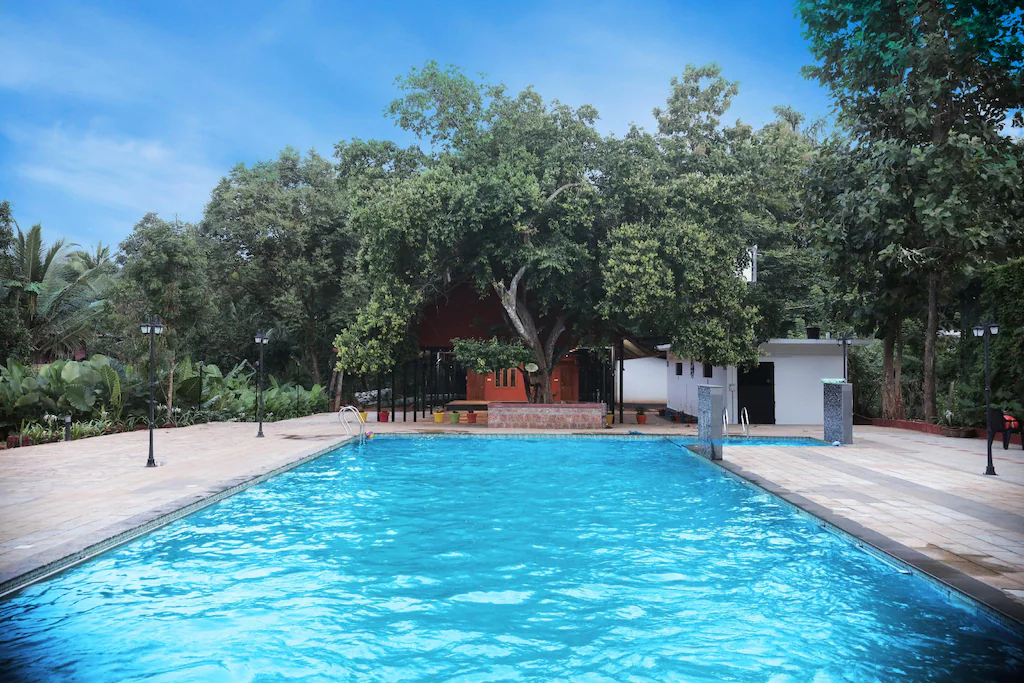
Whether you or your child is a complete beginner who has never been in a pool, or a young swimmer ready to refine their technique, swimming classes in Thrissur’s Anamala Swimming Academy offer tiered programs that meet every learner exactly where they are. Trained coaches ensure safety, proper breathing technique, correct stroke mechanics, and gradual progression, all while keeping the experience enjoyable.

A Message to Parents: Give Your Child a Head Start

If you are a parent in Thrissur reading this, here is something worth reflecting on. Childhood habits are the most powerful habits of all. A child who learns to love swimming will carry that love and the physical benefits it brings into adulthood. They will have a tool for managing stress, maintaining weight, and staying healthy for the rest of their lives.

Childhood obesity is a growing concern across India, including in urban centres like Thrissur. The answer is not restriction or pressure. It is joyful, consistent physical activity. And few activities deliver joy and results quite like swimming.

By enrolling your child in swimming classes in Thrissur today, you are not just signing them up for a hobby. You are investing in their confidence, their health, their discipline, and their future.

Ready to Make a Splash?

The pool is waiting. Whether your goal is to help your child shed excess weight, build strength, learn a life-saving skill, or simply find a sport they truly love, swimming classes in Thrissur offer everything they need to thrive.

Do not wait for the “right time.” The right time is now. Reach out to a certified swimming program in Thrissur today, ask about trial sessions, and watch your child take to the water with a smile that says everything. Because sometimes, the fastest path to a healthier life begins with a single leap into the pool.Looking for trusted swimming classes in Thrissur? Reach out to Anamala Swimming Academy’s certified instructors with structured beginner-to-advanced programs, proper safety measures, and a track record of helping learners grow both in and out of the water.

The Best Day Trips You Can Take from a Thrissur Homestay

Anamala Homestays, near Thiruvilwamala, sits at the heart of a district that opens up beautifully in every direction. Here is what awaits just outside your door.

Thrissur has a way of surprising people. Most travellers pass through on their way somewhere else, not realising that Kerala’s cultural capital is quietly sitting on top of some of the most rewarding day trip territory in the entire state. When you stay at homestays in Thrissur like Anamala Homestays, you are not just booking a room. You are placing yourself at the centre of a region where waterfalls, ancient temples, weaving villages, wildlife, and storied riverbanks are all within easy reach. And the best part? You come home to a home-cooked meal at the end of it.

Who This Is For

Whether you are a couple wanting unhurried exploration, a family looking for meaningful experiences beyond the usual tourist circuit, or a solo traveller drawn to nature, culture and quiet roads, the day trips from homestays in Thrissur have something that fits. You do not need a packed schedule. Just a sense of curiosity and a willingness to let the road decide the pace.

The Day Trips Worth Your Time

1. Thiruvilwamala Sree Vilwadrinatha Temple – For the Soul Seeker

Right here in Thiruvilwamala  (Walkable from Anamala Homestays)

Start before the world wakes up. The Vilwadrinatha Temple sits on a 100-foot hillock, one of the rare Sri Rama temples in Kerala, with the Bharathapuzha river visible in the distance below. Five poojas are conducted daily, with temple elephants participating in the Sreeveli procession. The stone is cool underfoot, the lamps are lit, and the chanting carries through the early morning air in a way that does something quieting to even the busiest mind. You do not need to be religious to feel it.

2. Athirappilly and Vazhachal Falls – For the Waterfall Chaser

Approx. 55 to 65 km from Thiruvilwamala  

Athirappilly is Kerala’s grandest waterfall, 80 feet of the Chalakudy River crashing through the edge of the Sholayar forest, earning it the nickname Niagara of Kerala. Drive a little further and you reach Vazhachal, where the same river spreads wide over rocks in a quieter, almost meditative display. The forest around both sites is part of the Western Ghats, home to hornbills, Malabar giant squirrels and, if you are patient, elephant sightings along the road. Go between October and February for the best experience, or during the monsoon if you want the raw, roaring version.

3. Kerala Kalamandalam – For the Art Lover

Cheruthuruthy (Approx. 40 km) 

This is not a cultural show staged for tourists. Kerala Kalamandalam is a living university of classical art, where Kathakali, Mohiniyattam, Koodiyattam and Krishnanattam are practised, taught and passed down every single day. You watch students in training, not performers on a stage. Anklet bells, the low rhythm of mridangam practice, and the deliberate repetition of gesture after gesture. Staying at homestays in Thrissur gives you the kind of unhurried morning that makes a visit here feel like a privilege, not a tick on a list.

4. Vadakkumnathan Temple and Shakthan Thampuran Palace – For the Heritage Wanderer

Thrissur City – Approx. 47 km  

The Vadakkumnathan Temple is one of the oldest Shiva temples in Kerala, seated on a hillock in the heart of Thrissur city, surrounded by mural paintings from the Mahabharata that are over four centuries old. Nearby, the Shakthan Thampuran Palace blends traditional Kerala and Dutch architecture and houses a fascinating museum, including an entire room of ancient coins from dynasties long gone. Together, these two stops give you a full day of layered history without feeling rushed.

5. Kuthampully Handloom Village – For the Village Explorer

Just outside Thiruvilwamala  

This is almost not even a day trip. It is a morning walk. Kuthampully, right next door to Thiruvilwamala, is where Kerala’s famous kasavu sarees are woven in homes, not factories. The loom moves steadily, back and forth, and patterns emerge thread by thread. You watch hands working with a kind of unhurried precision that modern life rarely asks of anyone. The co-operative here has been running since 1972, and the weavers will often let you stand and watch without ceremony. Buy one if it calls to you. Wear it somewhere worthy.

6. Chulanur Peafowl Sanctuary – For the Nature and Wildlife Seeker

Approx. 45 km from Thiruvilwamala  

This is one of India’s largest peafowl sanctuaries and it has a lovely, unscripted quality to it. The peacocks are not caged or presented. They move freely through dry scrub forest, calling out, fanning their tails, watching you with equal curiosity. If you visit at dusk, the numbers you see roosting in the trees are genuinely extraordinary. For families with children, photographers, or anyone who prefers nature at its own pace, this is an easy favourite from the homestays in Thrissur circuit.

7. Guruvayoor Temple and Punnathur Kotta – For the Deeply Devoted

Approx. 55 km  ·

Guruvayoor is one of the most important Vishnu temples in Kerala, with rituals that have been practised without interruption for centuries. The energy here is dense with devotion. Nearby, Punnathur Kotta is the elephant sanctuary maintained by the temple, home to dozens of elephants including some of Kerala’s most celebrated captive pachyderms. The combination of deep spiritual atmosphere and gentle giant encounters makes this a full and deeply memorable day out.

8. Peechi Dam and Chavakkad Beach – For the Family with Young Travellers

Peechi: 50 km, Chavakkad: 40 km

Peechi Dam sits along the Manali River surrounded by forest, with a botanical garden and a calm reservoir that makes for a gentle picnic stop. Chavakkad Beach, where a river meets the sea to form a natural estuary, is ideal for late afternoons where you can watch fishermen and let children run free along a stretch of shore that has not yet been overrun. Together, they make for a relaxed, family-friendly day that balances nature and open space beautifully.

A Simple 2-Day Day Trip Plan

If you are staying two nights and want to see the best of what surrounds homestays in Thrissur, here is a gentle structure to follow.

Day 1

Waterfalls, Art and a Weaving Village

  • Early morning at Vilwadrinatha Temple (on your doorstep)
  • Drive to Athirappilly and Vazhachal Falls (half day)
  • Afternoon at Kerala Kalamandalam, Cheruthuruthy
  • Stop at Kuthampully on the way back

Day 2

Temples, Elephants and Beach

  • Morning in Thrissur city: Vadakkumnathan Temple and Shakthan Thampuran Palace
  • Drive to Guruvayoor and Punnathur Kotta elephant sanctuary
  • Late afternoon at Chavakkad Beach for the sunset

No rushing. No overpacking the day. Just good roads, real places, and something worth remembering at each stop.

A Few Things to Know Before You Head Out

Best time to visit

October to February for most trips. Monsoon (June to September) for the waterfalls at their fullest.

Getting around

A rental car or hired cab gives you the most freedom. Your hosts at Anamala can help arrange this.

What to carry

Light cotton clothes, walking footwear, a scarf for temple visits, and enough time to not feel hurried.

Family friendly

Most of these trips work well for families. Tell us if you are travelling with children or elders and we will help you plan accordingly.

The Quiet Advantage of Staying at a Homestay

Here is something that is hard to put into a travel brochure. When you stay at homestays in Thrissur, the day trips feel different. You are not racing back to a hotel lobby. You are coming home to someone who has kept dinner warm, who will ask where you went and genuinely want to know what you saw. That quality of return, of having a base that feels lived-in and caring, makes every outing richer and every evening slower in the best possible way.

Anamala Homestays sits near Thiruvilwamala, right at the heart of this remarkable district, and has been quietly welcoming guests who want exactly this kind of travel. Tell us your dates, who you are coming with, and whether there are children or elders in your group. We will take care of the rest.

Ready to explore Thrissur’s best, and come home to a meal that was made for you? Let’s plan your stay together.

The Cultural Experiences You Can Only Have at a Kerala Homestay

Some places let you observe a culture from a distance. Homestays in Kerala pull you right into the middle of it.

There is a kind of travel that checks boxes. And then there is the kind that changes something in you. If you have been chasing the second kind and have not yet stayed in a homestay in Kerala, Thiruvilwamala might be exactly the place where you find it. A quiet hilly village on the banks of the Bharathapuzha river, wrapped in coconut groves and paddy fields, carrying centuries of spiritual and cultural life in every corner. It does not announce itself. It simply draws you in.

Waking up to a village that still knows what slow mornings feel like

There are no alarm clocks in Thiruvilwamala, at least not the ones you are used to. What wakes you up here is the sound of temple bells drifting across the valley, the rustle of coconut palms, the distant sound of the Bharathapuzha moving quietly through the land below. At homestays in Kerala like Anamala Homestays, mornings are not rushed. They are given back to you.

Breakfast is not on the menu. It is whatever the kitchen decided was right for the day. Appam with a coconut milk stew. Puttu with kadala curry. Kanji served warm with pickles and pappad on the side. You eat it the way it was meant to be eaten, slowly, at a table that feels like someone’s home because it is.

The Vilwadrinatha Temple and the living culture around it

Thiruvilwamala is, at its heart, a temple town. The Sree Vilwadrinatha Temple sits on a 100-foot hillock, one of the rare Sri Rama temples in all of Kerala, with the majestic sweep of the Bharathapuzha visible from its grounds. Five poojas are held daily, with temple elephants participating in the Sreeveli processions. The bells, the chanting, the smell of incense drifting down the hill, it is not a performance for tourists. It is just how the day unfolds here.

Staying at a homestay in Kerala near this kind of living spiritual culture means you experience it the way locals do, not as a spectacle from behind a camera but as something ambient and real, woven into the fabric of the morning.

The Bharathapuzha and the quiet life along its banks

The Bharathapuzha, known affectionately as River Nila, is Kerala’s second largest river and one of its most culturally significant. It has inspired poets, musicians and writers for centuries. Thiruvilwamala sits right along its banks, and the river is not just scenery here. It is a presence.

Walking along the Nila at dusk, watching fishermen cast their nets or farmers returning from the fields across the river, is the kind of experience that no resort itinerary can manufacture. It asks nothing of you. You just need to show up and pay attention. That is something homestays in Kerala make naturally easy because you are already embedded in the landscape, not sealed off from it.

Handloom heritage from just down the road

A short distance from Thiruvilwamala lies Kuthampully, one of Kerala’s most celebrated handloom weaving villages. The kasavu sarees made here, with their fine cotton weave and distinctive gold borders, are worn at weddings and festivals across the state. Watching a weaver at the loom, understanding the patience each thread requires, is a genuine window into Kerala’s craft heritage that very few travellers get to see up close.

From a homestay in Kerala in Thiruvilwamala, this is not an excursion you have to plan weeks in advance. It is simply something you can do on a morning when you feel like wandering.

Home cooking that carries a whole region in one meal

Kerala’s midland cuisine is its own chapter. Coconut in everything, fresh curry leaves, raw banana, tapioca, jackfruit prepared in ways that will rearrange everything you thought you knew about vegetarian food. Surrounded by coconut and banana plantations, Thiruvilwamala is the kind of place where these ingredients come from the yard, not a supermarket.

A meal served on a banana leaf at a Kerala homestay is not a cultural gesture. It is just lunch. But sitting down to it in someone’s home, with the village going about its afternoon outside the window, is an experience that a restaurant version of the same food cannot replicate.

The Punarjani Cave and stories that have lasted centuries

Every place worth staying in has stories. Thiruvilwamala has them in abundance. The Punarjani cave, a natural tunnel carved through the rocky hills between Vilwamala and Bhoothamala, draws pilgrims who believe crawling through it cleanses the soul and offers rebirth. Whether or not you take part in the ritual, hearing your host speak about it over an evening cup of chai brings you close to a living mythology that books rarely capture well.

This is what homestays in Kerala offer that no guidebook can: the version of the story told by someone who grew up next to it.

Evenings that belong to you, not a resort programme

Perhaps the most underrated thing about staying in a homestay is what the evening is not. It is not a schedule. There is no poolside activity, no entertainment board, no check-in-time for the cultural show. There is the veranda. There is tea. There is the sound of paddy fields in the breeze and the occasional flicker of a temple lamp from somewhere up on the hill.

If you are lucky, your hosts will sit with you and talk. About the village, about the river, about what it was like here before the roads came through. These are the conversations that make homestays in Kerala so different from any other kind of accommodation. You are not a guest in a property. You are a guest in someone’s world.

A place that stays with you long after you leave

Thiruvilwamala is not a destination that tries to impress you. It is too rooted, too settled in its own identity for that. The hills, the river, the temple bells, the weavers at their looms, the warmth of a host who means it when they ask how you slept, all of it adds up to something that is genuinely difficult to describe to someone who has not felt it.

That is exactly why homestays in Kerala, in places like this, matter. Not because they give you a comfortable room. Because they give you a real place. Ready to experience the warmth, culture and quiet beauty of Thiruvilwamala for yourself? Explore Anamala Homestays.

Afraid of Water? Beginner-Friendly Swimming Classes in Thrissur

The Quiet Fear Many Adults Carry

Water can feel intimidating at first. Maybe you know that feeling. Standing near a pool. Everyone else steps in easily while you hang back a little. Not because you do not want to try. Just because your body hesitates. And the funny thing is most people are not really afraid of water. I think they are afraid of losing control inside it. The moment your feet cannot feel the ground, your mind starts racing.

That is why beginner-friendly swimming classes in Thrissur matter so much. They slow everything down. No rushing. No embarrassment. No instructor shouting from the pool edge. Just a calm space where you learn to breathe, float and trust the water one step at a time. And once that first bit of fear loosens, you start to enjoy the water.

Who These Swimming Classes Are Perfect For

People join swimming classes in Thrissur for different reasons. Some are practical. Some are emotional. Some just want to stop avoiding pools during family holidays.

1)   Adults Who Never Learned Swimming

A lot of adults in Kerala never had access to swimming lessons growing up. Maybe there was no proper swimming pool nearby. Maybe parents are worried about safety. Or maybe life just moved on. Adult beginner swimming lessons usually start slowly. You step into the shallow end. You hold the edge of the pool tiles. The instructor shows you how to breathe properly. Then floating. Then, gentle kicking. Nothing dramatic. Just small steps inside the water.

2)   Children Learning Water Safety

Kerala has rivers, ponds, backwaters, and waterfalls. Water is everywhere. So many parents now look for structured swimming training in Thrissur for their children. Not just for sport but for safety. Kids usually learn faster than adults. They splash, laugh, hold the kickboard, and suddenly they are gliding across the pool. It happens quickly.

3)   People Looking for a Different Kind of Workout

Some people simply get bored with gyms. You know the routine. Treadmill. Mirrors. Same playlist every evening. Swimming feels different. A few laps in a quiet swimming pool in Thrissur early in the morning can wake your whole body. The water cools your skin. Your breathing slows down. And the exercise happens without that heavy, sweaty feeling.

Why Learning to Swim Is Easier Than You Think

Most beginners assume swimming is complicated. I thought the same when I was younger. But the body actually floats naturally in water. Trainers explain this during the first few sessions of most swimming classes in Thrissur.

The real challenge is relaxing your body. Sounds simple. Harder to do. Your shoulders tense. Your breathing becomes quick. The moment water touches your face, you panic a little. So, instructors begin with the basics. Holding the pool wall. Practising slow breathing. Floating with a support board. Kicking gently while gripping a foam float.

The pool becomes familiar. The smell of chlorine. The sound of splashing. The cool blue tiles under your feet. Little by little, your mind stops fighting the water. And something interesting happens. You start trusting and enjoying it.

What Happens in a Beginner Swimming Class

If you imagine strict athletic training, that is not really how beginner sessions work. Most swimming classes in Thrissur keep things simple. Very simple.

1)   Warm Up and Getting Comfortable in Water

You start in the shallow end. Water usually reaches chest level. You hold the edge of the pool while the instructor explains breathing control. Inhale. Exhale slowly. Put your face in the water for a second. Lift it again. It feels awkward the first time. Everyone laughs a little.

2)   Floating Practice

Floating is the moment that changes everything. Once someone floats on their back, fear drops immediately. The water holds your body. The ceiling above you feels calm. The instructor stands nearby just in case. Foam boards and floating tubes help beginners stay steady. And after a few tries, most people realise something, their body can stay on the surface without effort.

3)   Basic Kicking

You hold a kickboard. Your arms stretch forward. Legs move behind you. Small splashes. The instructor walks along the side of the swimming pool in Thrissur, correcting posture here and there. Nothing intense. Just rhythm.

4)   First Swimming Movements

Only after comfort improves do trainers introduce basic strokes. Freestyle usually comes first. Some instructors teach backstroke basics also. Good swimming classes in Thrissur never rush this stage. Confidence matters more than speed.

Things to Look for Before Joining Swimming Classes

Choosing the right place matters. Some pools feel welcoming immediately. Others feel crowded and chaotic. You probably know the difference within five minutes of walking in.

1)   Trainers Who Understand Beginners

A good swimming coach knows how nervous beginners can be. They watch body language closely. Tight shoulders. Fast breathing. Hesitation near the pool steps. The better swimming classes in Thrissur handle this gently. No pressure. Just guidance.

2)   Clean Pools and Safe Facilities

Visit the facility once before enrolling. Look around the swimming pool in Thrissur that you plan to use. Is the water clear? Are the changing rooms clean? Are there lifeguards watching the pool? These small details matter more than fancy marketing.

3)   Separate Beginner Batches

Learning becomes easier when everyone around you is also learning. Some centres mix advanced swimmers with beginners. That can feel intimidating. Many well-known swimming classes in Thrissur run separate beginner batches.  

4)   Separate Batches for Girls / Ladies

Many parents feel more comfortable when their daughters learn swimming in a women-only environment. And honestly, many adult women feel the same way. Stepping into a pool for the first time already takes courage. Doing that in a mixed batch can sometimes feel awkward. So, several swimming classes in Thrissur, including Anamala Swimming Academy, organise separate batches for girls and ladies. These sessions are usually quieter. More relaxed. Parents appreciate privacy. Women feel less self-conscious. And that small sense of comfort often makes learning much easier.

Best Time to Join Swimming Classes in Thrissur

Swimming lessons run throughout the year. But certain seasons feel more comfortable.

1)   Ideal Months

October to March is usually pleasant. Morning air feels cool. The pool water is comfortable. You do not feel exhausted after a session. Summer months are busy too. Many children join swimming classes in Thrissur during school holidays.

2)   Morning or Evening Sessions

Morning sessions are quieter. Sunlight reflects on the pool water. Coconut trees move slightly in the breeze. The whole place feels calm. Evening batches work well for office goers finishing work in Thrissur town. Both have their charm.

What You Should Bring to Your First Class

Your first day does not need much preparation. Just a few basics. Swimwear. A swimming cap. Goggles. A towel. And maybe flip flops for the pool deck. Most swimming classes in Thrissur also ask students to shower before entering the pool. A simple rule. Keep the water clean for everyone.

A Small Truth About Fear of Water

Fear rarely disappears instantly. It softens. Because the instructor stands beside you.
Because the shallow end feels safe. Because the pool wall stays within reach. Because your breathing becomes steady. Because floating suddenly feels possible. Because your body realizes water can support you.

Then one day, something small happens. You push away from the pool edge. Your arms move forward. For a few seconds, you glide through the water alone. No panic. No rush. Just movement. And that moment stays with you.

Maybe This Is Your Moment to Start

You do not need to become a competitive swimmer. Most people just want to feel comfortable in water. To step into a pool without hesitation. To enjoy a beach trip. To stand under a waterfall in the hills without worrying. And maybe that starts with something small. A beginner batch at one of the swimming classes in Thrissur nearby. Maybe even a quiet place like Anamala Swimming Academy, where trainers move patiently with beginners. Just one lesson. See how it feels. Water has a strange way of welcoming people once they give it a chance.

Frequently Asked Questions About Swimming Classes in Thrissur

Can adults learn swimming after 30 or 40?

Yes. Many adults join swimming classes in Thrissur later in life. Beginner batches are common, and trainers move at a comfortable pace.

How long does it take to learn to swim?

Most beginners learn floating and basic movement within 10 to 15 sessions. Confidence grows with practice.

Are swimming classes safe for children?

Yes, when conducted in supervised swimming pools in Thrissur with trained instructors and lifeguards.

Is swimming good for fitness?

Swimming works almost every muscle group. It improves stamina, breathing capacity and overall fitness while staying gentle on joints.

Sustainable Tourism: How Homestays in Kerala Support Local Communities

The quiet way travel can give something back

You arrive just before sunset. The air smells faintly of cardamom and wet soil. And somewhere in the kitchen, coconut oil begins to crackle as dinner is prepared on an old iron kadai. This is often the first moment people understand something important. Travel does not always have to start from a place. Sometimes it can gently give back. Because when you stay in homestays in Kerala, your journey quietly supports real families, local farmers, neighbourhood cooks, small drivers, and guides who know every bend of the forest path.

And that is what sustainable tourism really looks like. Not a slogan. But a living system where travel helps a place breathe. So, if you have ever wondered how your holiday can help local communities while still giving you a deeply meaningful experience, this story will help you see how.

What sustainable tourism really means

Sustainable tourism simply means travelling in a way that protects nature, supports local people, and preserves culture for future generations. And one of the most natural ways to do this in Kerala is by choosing homestays in Kerala instead of large commercial resorts.

Because a homestay is not just accommodation. It is someone’s ancestral home. Often with red oxide floors, wooden windows, and a veranda that has watched decades of monsoon rains. And when travellers stay there, the benefits spread quietly through the community.

Why homestays in Kerala naturally support local communities

The beauty of homestays in Kerala is that the economic and cultural impact stays close to the land. Not in distant corporate offices. But right inside the village.

1)    Income goes directly to local families

The first and most immediate impact is simple. The money you spend stays with the family who runs the home. And that income helps them maintain the house, educate their children, and preserve traditional architecture that might otherwise disappear. You might notice the old teak cupboard in your room. Or the polished wooden staircase creaking gently under your feet. These homes survive because travellers choose them.

2)    Local food traditions stay alive

Dinner at a homestay is rarely a standard menu. Instead, it is often what the family cooks at home. Steamed rice on a banana leaf. Avial rich with coconut. Fish curry simmering slowly in a clay pot. And many ingredients come directly from nearby farms. Pepper vines growing on trees. Bananas from a neighbour’s garden. Spices sourced from local markets. So every meal quietly supports small farmers and traditional cooking methods.

3)    Employment stays within the village

When travellers stay in homestays in Kerala, the experience often extends beyond the house itself. Local drivers offer plantation tours. Village guides lead forest walks. Women from nearby homes help with cooking and housekeeping. And slowly, a small ecosystem of livelihoods begins to grow. Not massive tourism development. But a steady, respectful income for people who already belong to the land.

4)    Culture remains part of daily life

Large resorts often create curated cultural shows. But in homestays, culture simply continues as it always has. You might see the host lighting the evening lamp near a brass nilavilakku. Or hear temple bells from a nearby shrine carried by the wind. Sometimes children from the village walk past on their way to school. And these small moments remind travellers that Kerala’s traditions are not performances. They are living routines.

Why travellers increasingly choose homestays in Kerala

More travellers today are looking for experiences that feel personal and responsible. And homestays in Kerala offer exactly that. Because they provide something many hotels cannot. Real connection.

You wake to the smell of fresh filter coffee poured into a steel tumbler. Mist drifts across the hills outside the veranda. And the host might sit with you for a few minutes explaining which trail is best for a slow morning walk. It feels less like tourism. And more like visiting a friend who knows the land deeply.

Practical guide: Staying in homestays in Kerala

How to reach most homestays

Most homestays in Kerala are located in scenic rural regions such as the Western Ghats, backwaters, or plantation hills. Travellers typically reach them by:

• Flying to Kochi or Coimbatore
• Taking a train to nearby towns
• Driving through forest or plantation roads

The last stretch of the journey is often the most beautiful. Tall eucalyptus trees. Tea estates rolling over the hills. And quiet roads where mist sometimes drifts across the bonnet of your car.

Best time to visit

Kerala is beautiful throughout the year, but the experience changes with the seasons. October to March offers cool mornings and clear views. June to September brings the monsoon. And the rain transforms everything. The earth smells richer. Water streams down moss-covered stones. And the hills wear a deep shade of green.

What to pack

Packing for homestays in Kerala is simple. Comfortable walking shoes. Light cotton clothing. A light jacket for hill stations. And perhaps a small notebook. Because slow places like these often inspire quiet thoughts worth remembering.

Safety and comfort

Most homestays maintain a warm balance between tradition and modern comfort. Rooms are usually clean and spacious. Bathrooms are well-maintained. And hosts are always nearby if guests need help. For families and solo travellers, this sense of personal care often feels far more reassuring than anonymous hotels.

The deeper reason people return

Guests often say the same thing after staying in homestays in Kerala. They came for the landscape. But they remember the people. Because something small happens during these stays. You talk over breakfast beside a wooden dining table. You learn how pepper is harvested from a nearby tree. You hear stories about the house that go back two or three generations. And slowly the place begins to feel familiar.

Because sustainable travel is not complicated

People sometimes imagine sustainable tourism as a difficult choice. But often it is very simple. Choose places where families host you. Choose food cooked with local ingredients. Choose experiences guided by people who grew up there.

Because your stay supports real livelihoods. Because the house you sleep in stays preserved for the next generation. Because village traditions continue without becoming staged performances. Because the land is respected rather than overbuilt. And because travel feels more meaningful when it leaves a place a little stronger.

A gentle invitation

If you are planning a journey to Kerala, consider staying in homestays in Kerala (like Anamala Homestays) instead of large hotels. Come slowly. Stay a few days. Walk through plantations. Listen to the quiet of the hills. And if you are travelling with family, elders, or children, mention it when you enquire. Hosts often prepare differently when they know who is arriving. Because in homes like these, hospitality is still personal. Not scripted. Just like it has always been.

Why Every Community Needs a Well-Designed Children’s Park?

Yesterday evening, I watched three children argue over a swing. One wanted to go higher.
One wanted a longer turn. And the smallest one just wanted someone to push.

Their slippers lay scattered near the slide. The fresh aroma of wet mud took me back down memory lane. And I remember thinking something simple. Every community needs this. Not just buildings. Not just roads. But laughter echoing between trees. A safe space where childhood can stretch its arms without being told to sit still. That is why a thoughtfully built Children’s Park in Kerala is not a luxury. It is a necessity. Let me tell you why.

What Is a Well-Designed Children’s Park and Why Does It Matter?

Kerala is a densely populated state where every inch, every square foot is quite pricey. With rapid urbanisation, there is a huge demand for housing plots. While everybody needs a home, what is often neglected is the need for playgrounds, children’s parks and recreation spaces for the elderly.

In today’s context, a well-designed children’s park is the most pressing need. A safe, easily accessible and thoughtfully planned space where children can play freely, connect with nature, and develop social and cognitive skills. A well-designed park is a living breathing space where community relationships grow as naturally as the neem trees planted beside the walking path. In Kerala, where neighbourhoods still hold on to shared living and evening walks, a Children’s Park in Kerala becomes the heart of a locality. Because children need space. And parents need reassurance. And elders need to watch life move forward.

Children Today Need Real Play, Not Just Screen Time

Today’s children seldom place their feet on soil. They spent their days at school and their free time in front of the mobile screen or television. And their world becomes small, limited to TV walls and WiFi signals. But when they run barefoot on damp grass, climb a ladder to enjoy the slide, their muscles strengthen, confidence grows, and conversations begin.

In many parts of our state, a properly maintained Children’s Park in Kerala gives children what apartment living sometimes cannot. Open sky. Unstructured play. Freedom within safety. And these are not small things.

A Park Builds Community Without Trying Too Hard

You might have noticed this. Parents who never spoke before begin sharing snacks on a park bench. Grandfathers compare blood pressure readings while watching their grandchildren run around a sand pit. Mothers exchange school information near the seesaw.

And slowly, a community forms. Not through meetings. Not through formal plans. But through daily presence under trees and beside bright yellow slides.

A good Children’s Park in Kerala becomes a silent social organiser. A park becomes the reason for people to go out of their homes. It becomes the longing of children. It gives parents something to talk about. And children become the bridge between families.

Even the small details matter. The tiled pathway for evening walkers. The shaded seating area. The drinking water tap works. The soft rubber flooring under swings for safety. These are not decorations. They are signals of care.

Physical and Emotional Benefits for Children

Today, stress is not limited to grown-ups. Children, too, are under a lot of stress. School pressure. Tuition classes. Peer pressure. Expectation. And they often don’t know how to explain it. They carry it. But a children’s park allows children to freely express their feelings. When they run around and play with friends, their social skills improve. Play improves emotional regulation. Reduces stress and helps children sleep better at night.  

A children’s park in Kerala is an ideal space for children to connect with nature and their peers. The child who arrived quietly begins talking. The child who arrived restless begins focusing. The child who was shy begins making friends near the swing. Because play is therapy without the word therapy.

What Makes a Children’s Park Truly Well Designed?

Not all parks are equal. Some have equipment but no maintenance. Some have space but no safety. And some lack inclusivity for different age groups.

A well-designed park should include:

  • Safe and durable play equipment
  • Proper lighting for early evenings
  • Clean seating areas for parents and elders
  • Fenced boundaries for safety
  • Soft flooring near climbing structures
  • Dustbins and regular cleaning
  • Accessibility for children with different abilities

Even the placement of trees matters. A shady banyan tree near the bench makes summer evenings comfortable. A walking track around the park encourages adults to stay active too.

A thoughtfully built Children’s Park in Kerala respects both climate and culture. Because Kerala communities value togetherness. Because safety matters deeply to families, and our children deserve better than broken swings and rusty slides.

Why Does Kerala Specifically Benefit From Community Parks?

Kerala has dense residential pockets. Apartments are rising. Independent houses have smaller courtyards. Roads are busier than before. So, shared green spaces become essential.

And when you design a Children’s Park in Kerala, you are not just creating play space. You are preserving a piece of open land for future generations.

You are saying that development and childhood can exist together.

You are saying that concrete buildings do not have to replace open laughter. In a state known for literacy and health awareness, investing in children’s parks is a natural extension of caring for society’s well-being.

Because Children Remember Places

Let me share something gentle. Adults rarely remember the floor tiles of their childhood homes. But they remember the swing. The slide. The tree they used to climb. The bench where their grandmother waited. Because parks hold memory. Because scraped knees teach courage. Because shared laughter builds friendships. Because waiting for a turn teaches patience. Because falling and getting up builds resilience. Because watching others play builds empathy.

A well-maintained Children’s Park in Kerala quietly shapes stronger adults. And that is a long-term investment no budget sheet can fully measure.

A Small Request to Communities and Planners

If you are part of a resident association, a panchayat, or a local development committee, consider this carefully. Do not treat a park as leftover land.

Plan it thoughtfully. Maintain it regularly. Listen to parents and children. Add simple things like shaded seating, clean wash areas, and safe equipment. Even repainting slides before festival season makes children feel valued.

And when the park lights switch on at 6 pm and children run in with their water bottles and tiny bicycles, you will know it was worth it.

A Gentle Closing Thought

A community without a park feels incomplete. Too quiet. Too enclosed. And somehow less alive. But when a Children’s Park in Kerala fills with evening laughter, the entire neighbourhood breathes differently. So, if you have children, take them. If you do not, still visit. Sit on a bench. Watch the small arguments over swings. Listen to the rhythm of sandals running over tiles. You will realise something simple. A park is not only for children, but it is for the health of the whole community. Visit: https://www.anamalahomestays.com/.

Fish Spa and Stress Relief: Relaxation Benefits Explained

The first time someone dips their feet into a wooden tub filled with tiny fish, they laugh. Then they hesitate. Soon enough, they soften, and something shifts. They start to realise, relaxation doesn’t always begin in silence. But it begins with sensation. You sit with your feet lowered into warm water and feel the soft ripple movement brushing against your skin. You start enjoying the sensation, start observing the surroundings and immersing yourself in the whole experience of it.

Today, let me gently explain why a fish spa in Kerala feels so different. And why it has quietly become one of the most unexpected stress relief rituals for tired city minds.

What Is a Fish Spa and How Does It Help With Stress?

A fish spa is a natural exfoliation therapy using Garra rufa fish. It is a way of removing the dead cells of your skin while you relax, immersing your feet in a tub of warm water and fish gently nibbling away the dead cells.

It sounds unusual. It feels ticklish at first. And then it becomes surprisingly calming, like dozens of soft bubbles touching your skin in rhythm. Unlike mechanical foot massages or loud spa rooms, a fish spa works in silence. The water is still. The only sound is light splashing against the steel tub and the breeze through banana leaves.

And your breathing slowly deepens. This is why many travellers searching for a fish spa in Kerala are not only looking for skincare benefits. They are looking for pause.

Why Stress Melts Faster at Anamala Homestays?

Stress in cities is sharp. Constant notifications. Traffic horns. Artificial lights. So, when you sit for a fish spa session in the Anamala homestays, surrounded by lush greenery and old wooden railings, the nervous system receives something it has not felt in weeks.

Gentleness. The cool hill air touches your shoulders. The warm water holds your feet. The tiny fish move in soft clusters, creating a tingling sensation that pulls your attention away from racing thoughts.

And because your brain cannot fully predict the tiny movements of the fish, it becomes present. That presence is powerful. It is similar to mindfulness, but without trying too hard.

Why a Fish Spa in Kerala Feels Different From a Mall Spa?

Let me be honest. This is not a flashy luxury experience. There are no neon boards. No heavy perfumes. No loud music. Instead, you sit on a simple wooden bench. The tub is placed on old Chettinad tiles. Cardamom tea might be served in a steel tumbler beside you. And you watch clouds roll over the tea plantations while tiny fish do their quiet work.

And that is the difference. A fish spa in Kerala, especially in a homestay setting, becomes part of a larger slow living experience. Because you are not rushing to your next appointment. Because nobody is waiting for the next slot. Because you can sit longer if you wish. Stress reduces faster when there is no pressure attached to relaxation.

The Psychological Benefits You Might Not Expect

Many guests tell me something interesting after their session. They say their feet feel lighter. But they also say their head feels lighter. Here is why. The fish spa experience gently interrupts your repetitive thinking patterns. Its tickling sensation quietly activates your sensory nerves and sends calming signals to the brain. It pulls attention into the body. And when you sit still long enough, watching fish create ripples in clear water, your heart rate slowly settles.

There is also something childlike about it. You laugh at the first touch. You pull your feet back. Then you try again. And that playful surrender itself reduces stress.

Who Will Enjoy a Fish Spa the Most?

This experience is especially meaningful for:

a)   Urban Escapists

If you spend most of your day on screens and in meetings, the tactile sensation of a fish spa feels grounding. It helps you reset gently without needing a structured wellness routine.

b)  Nature Enthusiasts

If you love observing small ecosystems, watching how fish move in patterns in a clean water tub is surprisingly fascinating. It becomes less about beauty and more about interaction.

c)  Families With Children

Children find it delightful. Elders find it soothing. And families end up laughing together, sitting on the veranda, feet dipped side by side.

So it becomes more than therapy. It becomes a memory.

Practical Guide: Planning a Fish Spa in Kerala

If you are considering trying a fish spa in Kerala, here are a few simple things to know.

How to Reach

Anamala Homestays, Thiruvilwamala is about a 2 to 3 hour scenic drive from Kochi or Coimbatore. The journey takes you through lush countryside roads, and peaceful village landscapes. As you approach Thiruvilwamala, the surroundings grow greener and calmer, offering a refreshing sense of escape even before you arrive.

And by the time you reach our 80-year-old Kerala home, the noise of the plains feels far away.

Best Time to Visit

October to February is ideal. The weather is cool. Even summer here feels mild compared to the cities. Monsoons are beautiful too, if you enjoy rain tapping softly on tiled roofs.

What to Pack

Carry light cottonwear. Comfortable footwear. And an open mind. Because you will likely spend more time outdoors than planned. Slow walks. Plantation trails. Sitting on old red oxide floors after sunset.

Is It Safe?

Yes, here hygiene is properly maintained. The fish used are specific Garra rufa species. The water is filtered and cleaned regularly. Sessions are supervised. However, we recommend avoiding fish spa sessions if you have any kind of skin infection.

How Long Does a Session Last?

A 15 to 30-minute session is usually long enough for your shoulders to drop. Short enough to remain playful.

Why Does This Simple Ritual Stays With You?

It is not dramatic. It is not life-changing in one sitting.

And yet, guests often mention it days later while sipping morning filter coffee under pepper vines. Because it was unexpected. Because it made them laugh. Because it allowed them to be still without forcing silence. Because it felt natural and unhurried. Because it happened in the hills, not inside a shopping complex. And that combination matters. Sometimes stress does not need solving. It needs soft interruption.

A Gentle Thought Before You Plan

If you are searching for a fish spa in Kerala, ask yourself what you truly want. Is it just smoother skin? Or is it an hour where your phone rests inside an old wooden cupboard, the only movement around you is mist and fish, and someone brings you tea in a steel tumbler without asking you to hurry?

If it is the second one, then you are not just booking a spa. You are choosing to pause.And if you decide to come, tell us your dates. Share who you are travelling with. If there are children or elders, mention their ages so we can prepare the space gently. We will keep the water ready. Visit: https://www.anamalahomestays.com/.

Struggling to Find a Budget Homestay in Thrissur? Here’s the Smart Way

Finding a place to stay in Thrissur should feel simple. It rarely does. You open five tabs. Maybe ten. One place looks affordable until you notice the location. Another looks decent until the reviews start getting strange. And then there is the one that feels right but somehow disappears the moment you try to book.

I think most people hit this wall at least once. Thrissur is not a loud tourist city. It does not shout for attention. It quietly holds temples, culture, morning rituals, evening chai spots, and families who still wave at strangers. That makes staying here different too. Hotels feel a little cold. Lodges feel rushed. What people actually look for is a homestay in Thrissur that feels safe, honest, and reasonably priced.

That balance is tricky. But it is not impossible. If you are already tired of scrolling, maybe pause for a minute. Let us talk this through.

Right here, if you want a calmer stay experience instead of trial and error, you can explore Anamala Homestays and see what a thoughtfully hosted retreat feels like. Sometimes the right place finds you when you stop rushing.

Why Budget Homestays in Thrissur Often Feel Disappointing?

I once stayed in a so-called budget room near the city center. It looked fine online. In person, not so much. The fan rattled all night and the owner vanished after handing over the keys. It was not terrible. Just empty. That happens a lot.

Location confusion

Many listings mention Thrissur even when they are far outside town. You only realize it after arrival. Suddenly, your temple visit or family function involves long auto rides and awkward timing. A good homestay in Thrissur should be clear about where it sits and why that location makes sense.

Price that keeps changing

Budget often means unclear pricing. Extra charges appear later. Cleaning fees. Early check -in fees. Sometimes, even hot water becomes a discussion. It gets tiring.

No real host connection

Homestays work when hosts care. When they check in. When they ask if you ate. When they help you find a local route. Without that, it is just a room with a name. And people feel that absence quickly.

What Actually Makes a Smart Homestay Choice?

Not perfect. Not fancy. Just right. That is usually what travelers want.

A place that feels lived in

You can sense it when a home is looked after. Clean corners. Simple furniture. Quiet confidence. No over decoration. A good homestay in Thrissur often feels like someone actually lives there and cares if you sleep well.

Safety without being stiff

Families, solo travelers, older guests all need peace of mind. Not guards and gates. Just reliability. Knowing someone is there if you need help matters more than we admit.

Honest hospitality

Some hosts talk too much. Some disappear completely. The sweet spot sits in between. A warm greeting. A local tip. A gentle check in later. That is it.

If this is what you are searching for, Anamala Homestays was built around that exact idea. Care without hovering. Comfort without noise. You can take a look when it feels right.

Why Travelers are Quietly Choosing Homestays Over Hotels?

Hotels promise consistency. Homestays offer memory. That difference grows clearer with age, I think.

For short breaks

Corporate professionals and couples often want silence more than services. A place to breathe. Somewhere phones feel less loud. That is why a peaceful homestay in Thrissur works better for weekend resets.

For families

Families want space. They want meals that feel familiar. They want children to move freely without being shushed. A homestay allows that without apology.

For nature lovers

Some travelers wake up early just to watch light change. They notice birds. They ask about plantations. They want stories. Homestays offer those stories.

Anamala Homestays leans gently into this. Plantation surroundings. Slow mornings. Hosts who actually know the land.

After this section, if you want a stay that gives more than just a bed, you can reach out through www.anamalahomestays.com and ask what dates are open. Sometimes asking directly works better than browsing endlessly.

The Budget Question Everyone Worries About

Let us talk about money. Budget does not mean cheap. It means fair. A smart homestay in Thrissur charges for cleanliness, safety, and care. Not for inflated promises. If a place costs slightly more but gives you calm sleep and warm food, that is still a budget. At least emotionally. People often forget that part. I think value matters more than numbers.

Anamala Homestays keeps pricing transparent. No surprises later. No awkward conversations. Just clarity upfront. That alone reduces stress more than we realize.

Small Things that Make a Stay Memorable

It is rarely the room size. It is the little things.

Someone offering tea without asking. Directions written down instead of rushed explanations. Food that tastes like someone cooked it for you, not for a menu. These moments do not show up in listings. They show up when people care.

That is where caregiver style hospitality makes a difference. Gentle. Protective. Quietly present. And yes, sometimes imperfect. But humans.

Choosing the Right Homestay Without Overthinking it

Ask yourself a few simple questions.

Do I want peace or proximity?
Do I want silence or activity?
Do I want independence or guidance?

Your answers matter more than star ratings. A homestay in Thrissur should match your mood, not just your budget. If your heart wants greenery, slower mornings, and hosts who treat you like a guest not a transaction, then Anamala Homestays might fit.

Kerala Homestay Price Guide: What You Should Really Pay

You are probably tired already. Tired of booking pages that promise luxury and deliver noise.
Tired of prices that make no sense once you arrive and sit on the edge of a bed that creaks like an apology.

And you are wondering one honest thing. What should a homestay in Kerala actually cost?
And what is worth paying for.

I live inside that answer. Inside an 80-year-old home where red oxide floors still hold afternoon warmth, where steel tumblers wait on wooden shelves, and where guests ask this same question quietly, usually after their first cup of tea.

So let me tell you. Slowly. Honestly. Like a host would.

Who This Price Guide Is For?

This guide is for you if you are choosing a homestay in Kerala over a hotel. If you value silence more than room service. If you want your children to sleep early because the hills are dark and kind.

It is for urban families, burnt-out professionals, and nature lovers who want to pay fairly.
Not cheaply. And not blindly.

What Is a Homestay in Kerala, Really?

A homestay in Kerala is not just a room for rent. It is a lived-in house where mornings smell of coconut oil heating, where cupboards are old, and where the host notices if you skip breakfast.

In real terms, a homestay includes presence. Someone to guide you, cook for you, watch your children, and tell you when mist will roll in from the plantation path.

And that presence has a value. 

Typical Price Ranges for a Homestay in Kerala

Let us speak in clear numbers. Because confusion usually starts here.

1.       Budget Homestays – ₹1,500 to ₹2,500 per night

These are simple rooms. Usually tiled floors, basic furniture, a fan, and food that may be optional.

They are good for solo travellers. Or guests who spend all day outside and only sleep indoors. But understand this. At this price, you are paying for space, not for care.

2.       Mid-Range Homestays – ₹3,000 to ₹5,000 per night

This is where most families should look. And where a good homestay in Kerala begins to feel like home.

You usually get clean rooms, attached bathrooms, fresh linen, and home-cooked meals served on steel plates or banana leaves. You get advice. You get safety. And you get quiet.

Most plantation homestays, hill homes, and family-run properties sit here.

3.       Premium and Heritage Homestays – ₹6,000 to ₹10,000 per night and above

These are old ancestral homes, restored slowly. With wooden ceilings, antique cupboards, garden paths, and hosts who limit guest numbers intentionally.

You are paying for privacy, space, stories, and time. You are paying for the feeling of being looked after without being watched.

This price makes sense only if the home is lived in. Not staged.

What You Are Actually Paying For?

Many guests ask me why prices vary so much between two homestays on the same road.

So let me explain. Simply. You are paying for food cooked fresh, not reheated. For rooms cleaned by people who know the house. For hosts who stay awake when your child has a fever. For safety, especially in hill regions and plantations.

And you are paying for restraint. For homes that do not overbook. For silence that is protected.

When a Homestay Is Overpriced?

A homestay in Kerala is overpriced when it feels like a hotel pretending to be a home. When breakfast is buffet style but tasteless. When hosts disappear after check-in.

If the house has no lived objects, no personal stories, no warmth, then even ₹2,000 is too much.

When Paying More Is Worth It?

Pay more when the home gives you time. When children are welcome without rules pasted on walls. When elders feel comfortable walking barefoot on red oxide floors.

Pay more when evenings include unplanned conversations. And mornings begin with birds instead of alarms.

Best Time to Find Fair Prices

March to early June is quieter. July to September brings mist and offers. October to February is the peak season, and prices rise naturally.

A good homestay in Kerala will tell you this honestly. Not push you to book blindly.

What to Ask Before Booking?

Ask if meals are included. Ask how many rooms are in the house. Ask who lives there. And ask yourself one thing. Do I want accommodation or do I want to be hosted?

Because This Is What Guests Remember

Because children remember running on wet mud paths. Because adults remember sleeping deeply without screens. Because families remember eating together without distractions. Because quiet stays longer than photos.

And because the right homestay in Kerala is not about price alone. It is about fairness.

A Gentle Host Note Before You Decide

If you are planning a stay in a quiet Kerala village. If you are travelling with parents, children, or simply your own tired mind. Tell us your dates. Tell us who you are coming with. And tell us what kind of quiet you are looking for.

We will tell you honestly what you should pay. And whether our old house is right for you. Visit: https://www.anamalahomestays.com/