The price tags on Kerala homestays can surprise you, and not always in the way you’d expect. Some are genuinely affordable. Some look affordable and aren’t. And a few cost as much as a decent hotel would, but give you something no hotel ever could. This piece breaks it all down, with real numbers, real properties, and links you can actually check, so you can decide what’s worth your money before you book anything.
The Honest Range: What Kerala Homestays Actually Cost
Kerala’s homestay market is wide. You’re looking at anywhere from around Rs. 800 to well above Rs. 10,000 per night, depending on where you go, what’s included, and how much the location commands on the tourist circuit.
Here’s how the tiers usually look:
Budget (Rs. 800 to Rs. 2,000/night)
These are typically family homes with a room or two opened up for guests. You get a bed, a fan or basic AC, and often a home-cooked breakfast. Don’t expect a pool or a curated experience. But the warmth and the food can be remarkable. Yatra lists budget category Kerala homestays starting from Rs. 750, and Booking.com shows the average weekend rate across Kerala hovering around Rs. 3,000 (roughly $37) when you factor in mid-range properties.
Mid-Range (Rs. 2,000 to Rs. 5,000/night)
This is where most travellers land. You’re getting cleaner rooms, likely a private bathroom, some activities, and meals on request. Wayanad’s Palkadavu Warium Villa, for instance, sits around Rs. 3,135/night and offers free Wi-Fi, a bamboo hut, indoor games, and a doctor on call. Marari Garden Residency in Alleppey comes in at a similar range with a kitchen and cycling access.
Premium (Rs. 5,000 to Rs. 12,000+/night)
Here you’re paying for character, location, or both. Akkarakalam Memoirs in Alappuzha charges around Rs. 11,281/night for a 10-acre farmhouse on the banks of the River Pampa with canoe rides, motor rides, and massage facilities. Munnar’s plantation homestays can reach Rs. 10,000 for an entire property. For something truly premium with a private pool, SaffronStays lists villas in Kerala from Rs. 5,000 to Rs. 60,000+/night.
Real Kerala Homestays and Their Prices
| # | Homestay & Location | Price (Approx.) | Website | Description | Best For |
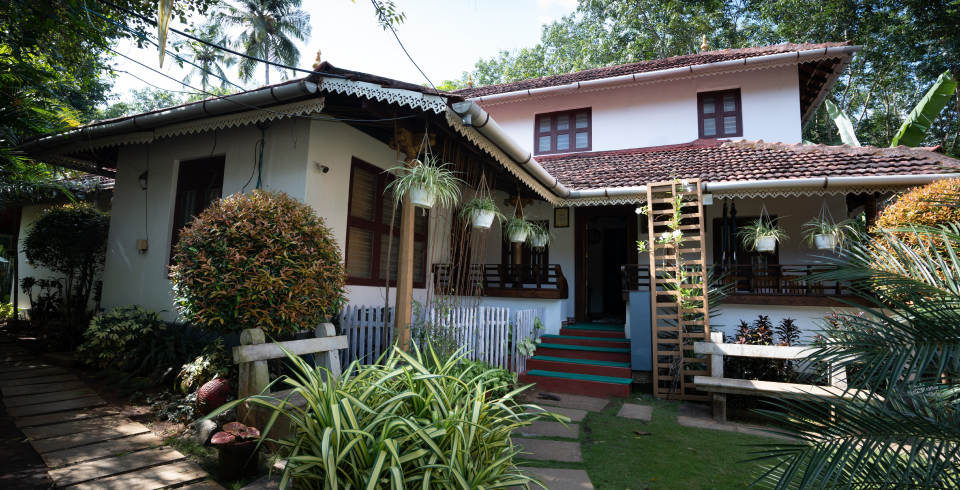
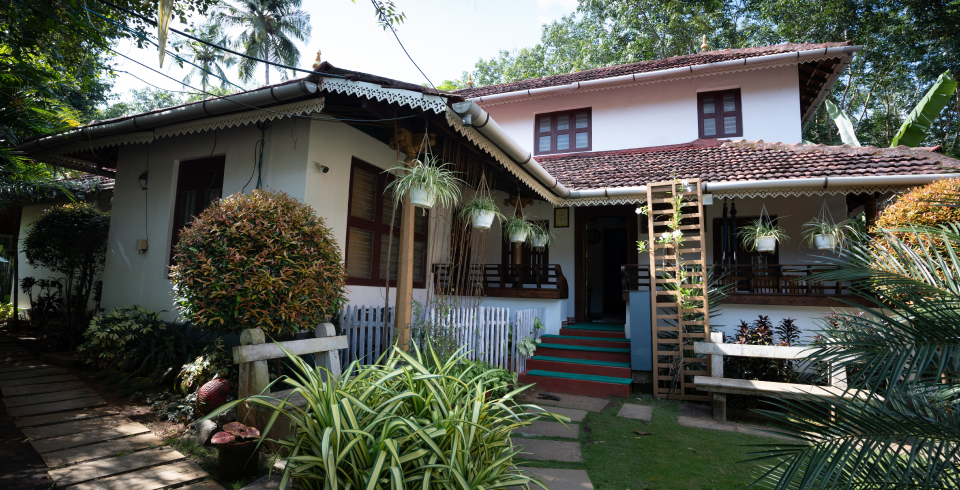
| 1 | Anamala Homestays, Thiruvilwamala, Thrissur | Deluxe Room: ₹3,360/nightPremium Suite: ₹5,900/night | https://www.anamalahomestays.com/ | Restored ancestral Kerala home featuring Chettinad floor tiles, 100+ year-old antique furniture, wooden ceilings, and a village setting. | Families, heritage lovers, slow travellers, and those seeking an authentic Kerala homestay experience. |
| 2 | Coconut Cove Homestay, Cherai, Kochi | ₹3,000/night | https://www.homestaysofindia.com/kerala/ | Located near Kerala’s famous beaches, offering easy coastal access at a reasonable price compared to resorts. | Beach lovers and couples. |
| 3 | Forest Edge Homestay, Idukki | ₹2,400/night | https://www.homestaysofindia.com/kerala/ | Simple, nature-focused accommodation surrounded by greenery with basic but comfortable amenities. | Budget-conscious nature enthusiasts. |
| 4 | Five Senses Heritage Homestay, Munnar | ₹4,500/night | https://www.homestaysofindia.com/kerala/ | Heritage-style property in Kerala’s tea country, blending comfort with local character. | Couples and hill station travelers. |
| 5 | Ethnic Escape Homestay, Kasargod | ₹7,300/night | https://www.homestaysofindia.com/kerala/ | Premium homestay focused on privacy and boutique hospitality. | Travelers looking for a more exclusive stay. |
Destination Makes a Difference
Location shifts prices meaningfully.
Munnar tends to be pricier. Limited supply, high demand, and a steady tourist calendar push even mid-range properties upward. Budget homestays there start around Rs. 1,500/night, mid-range runs Rs. 3,000 to Rs. 6,000, and premium plantation stays can hit Rs. 10,000.
Wayanad offers better value overall. You get lush scenery without paying Munnar’s premium.
Alleppey and the backwaters vary wildly. Simple rooms go cheap; anything near the water with a view commands more. The Maliyeckal Homestay in Munnar, popular with couples, averages around Rs. 3,600/night ($44) based on Booking.com data, with guests consistently praising the food and the host family.
Unsure Which to Choose?
If you’re still comparing, it helps to at least see one that gets the balance right. Anamala Homestays in Thrissur is worth a look, especially if you want something that isn’t a generic property.
What Makes Anamala Homestays Stand Apart
Anamala is a 70-plus-year-old ancestral home in Thiruvilwamala, Thrissur, and it’s been recognised by Kerala Tourism’s official homestay directory. That matters. It means it’s been vetted, not just listed on an aggregator.
The pricing, as listed on TripAdvisor from the property itself, breaks down like this:
- Deluxe Room (AC): Rs. 3,360/night
- Premium Suite: Rs. 5,900/night
- Thatched Hall: Rs. 5,600/night
- Additional bed: Rs. 900
For what you get, that’s genuinely fair.
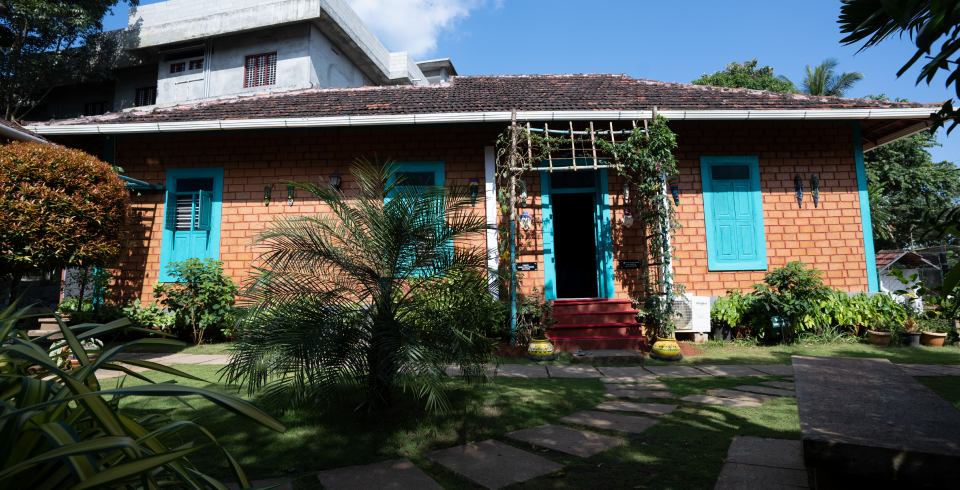
The walls here are actual mud blocks. The floors are Chettinad tiles. The wooden ceilings and windows are over a hundred years old. None of that is staged. The antique furniture in the rooms has been there longer than most hotels in Kerala have existed.
But beyond the aesthetics, the amenities list is more generous than you’d expect at this price point. The property has a swimming pool, a spa, a hot tub, free Wi-Fi throughout, an outdoor fireplace, and a lounge. Rooms come with AC, TV, private bathrooms, and garden views. They also offer cooking classes, evening entertainment, and a shared kitchen.
What sets it apart further is the range of activities. Guests can book guided farm tours, tribal village visits, organic garden walks, handloom village visits, nature walks, canoe rides (seasonal), river baths, and introductions to Kerala’s classical arts. The nearby Vilwadrinatha temple, Punarjani caves, River Nila (Bharathappuzha), and Kerala Kalamandalam are all within reach.
There’s also an African-inspired AC tent on the property, an unusual touch that works surprisingly well against the Kerala backdrop.
For families, there’s a children’s play area, a children’s buffet, and a hall that can accommodate 30 to 40 guests for events like anniversaries, birthdays, family reunions, and even corporate off-sites. The kamaraa.com listing describes the property as a six-bedroom Gold category homestay with BBQ setup, 24/7 staff, and a dining area.
Across 243 ratings on Justdial, it holds a 4.5. On TripAdvisor, it’s ranked first among properties in Thiruvilwamala. Guests consistently mention the food, the staff, and the ambience as the three things they didn’t expect to be this good.
Ready to See It for Yourself?
If a stay that’s equal parts heritage, hospitality, and genuine calm sounds right for you, take a look at Anamala homestays and plan your visit.
What You’re Really Paying For
The honest answer to “how much should I spend on a homestay in Kerala” depends on what you want the trip to feel like.
A Rs. 900/night room covers the basics. A Rs. 3,500/night stay at Anamala gets you history, personalised hospitality, activities, and food that people write about months later. A Rs. 10,000 farmhouse gives you seclusion and scale.
None of these is wrong. But knowing what each tier actually includes before you book means you won’t spend three days in a room that felt cheaper than it looked on the listing.
Start with your destination, set your per-night budget, and then look at what the property actually includes rather than just what it charges. That’s how you find the ones worth coming back to. Anamala is one of those. The price is fair, the place is real, and the experience sits well after you’ve left.
Call Us: 9035290919
E-mail: tma@anamalahomestays.com
Location: Anamala Serenity – Homestays Anamala House, Near Kattukulam, Thiruvilwamala Thrissur Dist, Kerala – 680588