Sustainable Tourism: How Homestays in Kerala Support Local Communities

The quiet way travel can give something back

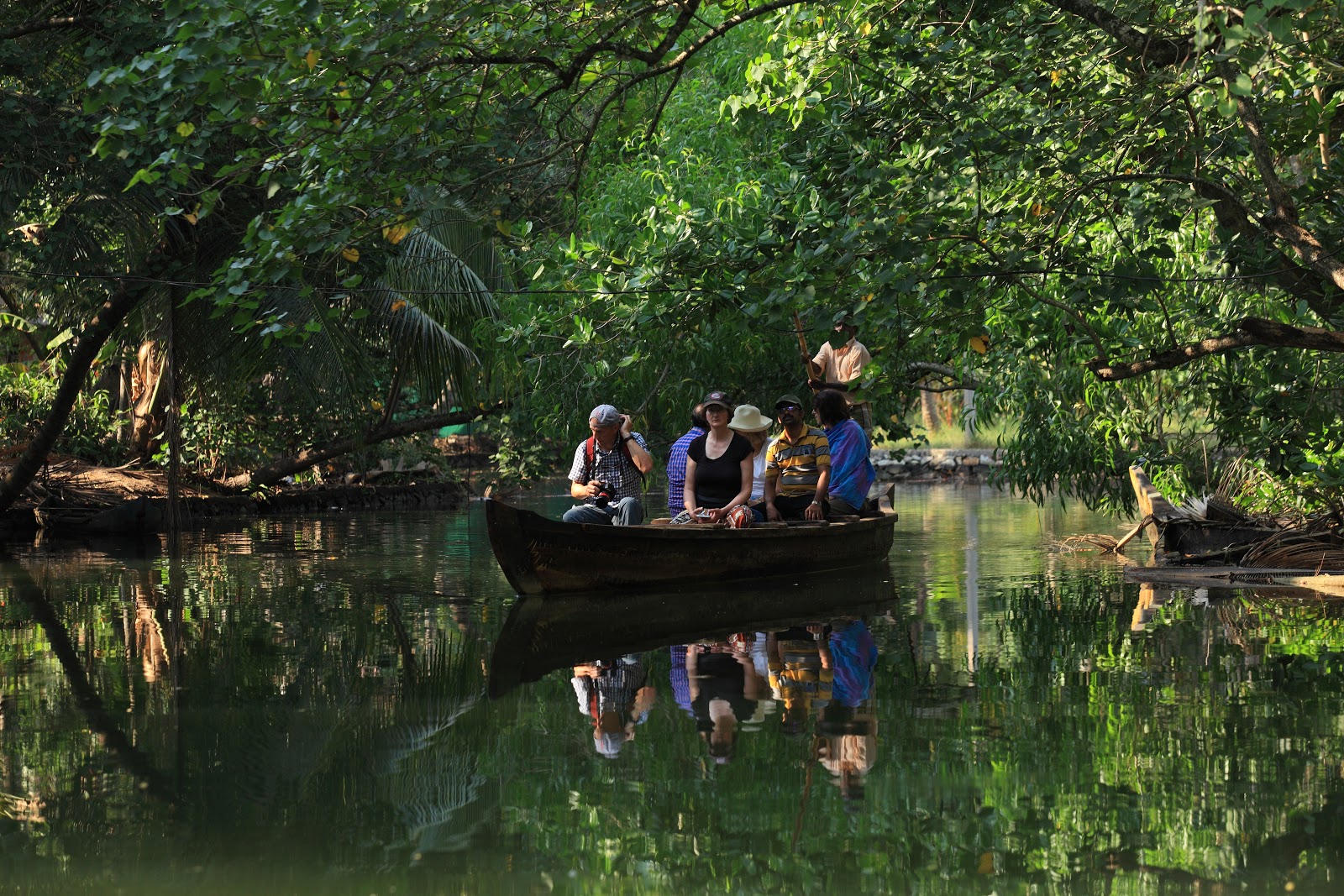
You arrive just before sunset. The air smells faintly of cardamom and wet soil. And somewhere in the kitchen, coconut oil begins to crackle as dinner is prepared on an old iron kadai. This is often the first moment people understand something important. Travel does not always have to start from a place. Sometimes it can gently give back. Because when you stay in homestays in Kerala, your journey quietly supports real families, local farmers, neighbourhood cooks, small drivers, and guides who know every bend of the forest path.

And that is what sustainable tourism really looks like. Not a slogan. But a living system where travel helps a place breathe. So, if you have ever wondered how your holiday can help local communities while still giving you a deeply meaningful experience, this story will help you see how.

What sustainable tourism really means

Sustainable tourism simply means travelling in a way that protects nature, supports local people, and preserves culture for future generations. And one of the most natural ways to do this in Kerala is by choosing homestays in Kerala instead of large commercial resorts.

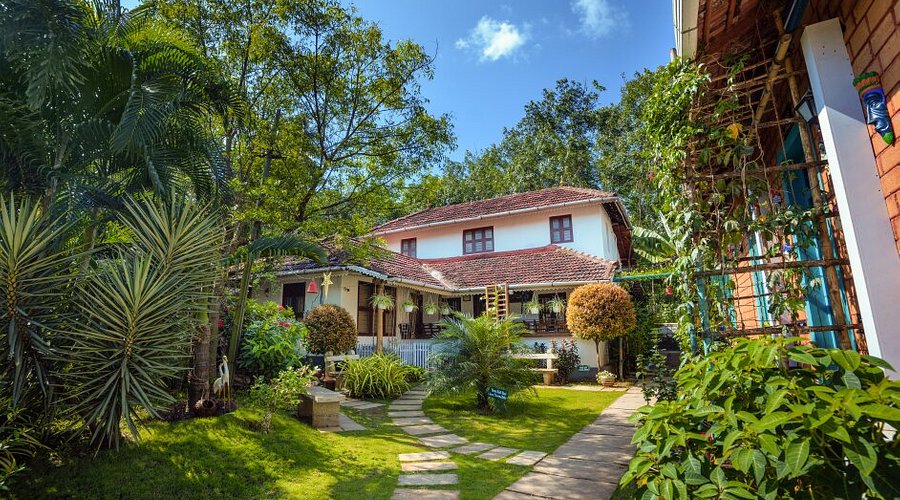
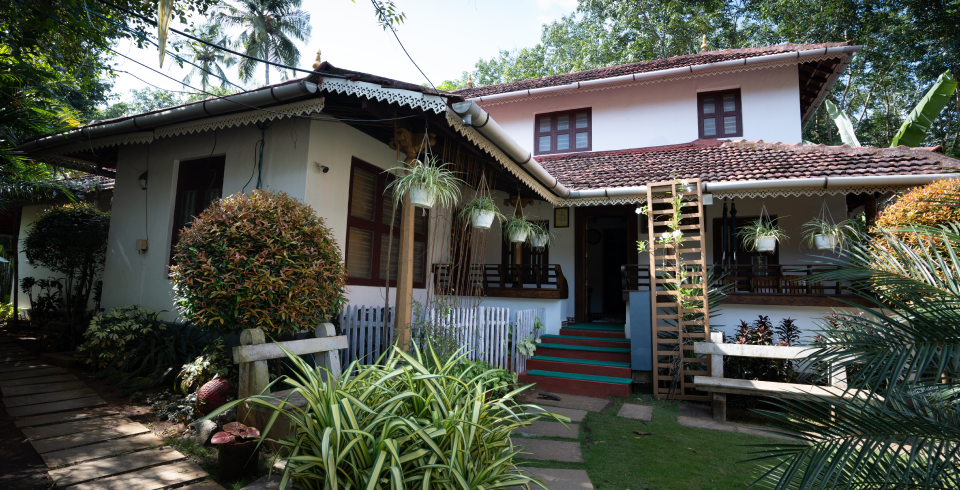
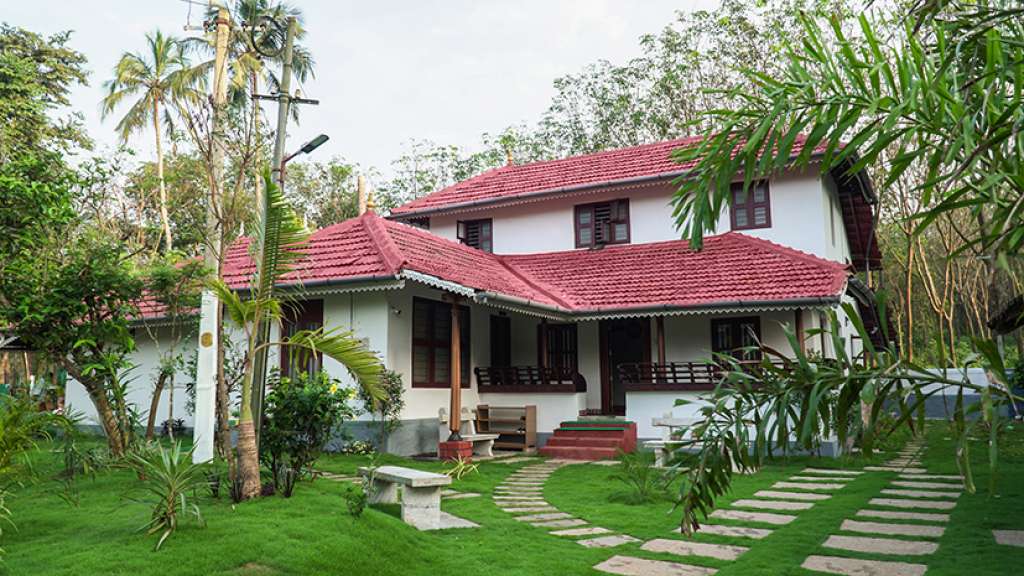
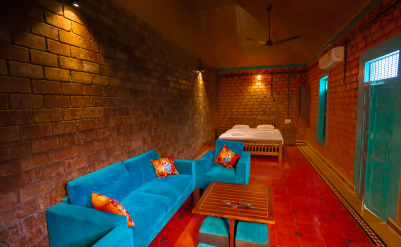
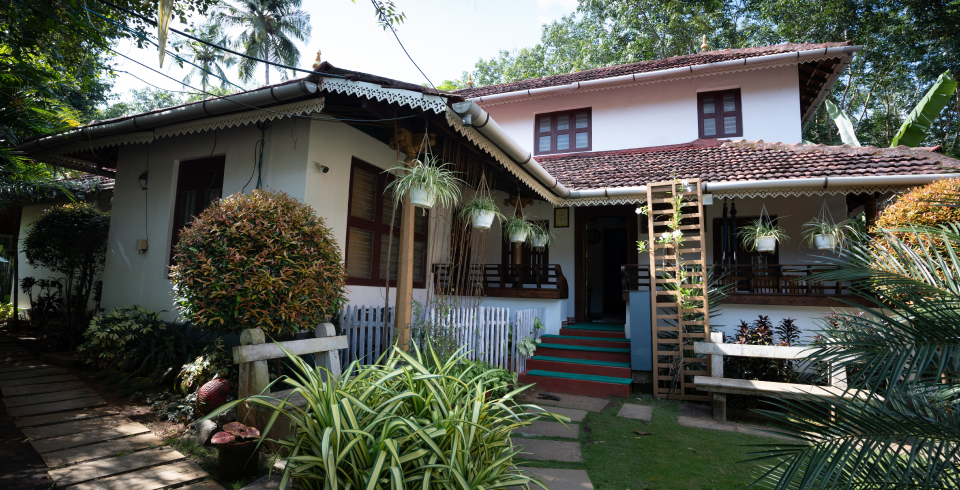
Because a homestay is not just accommodation. It is someone’s ancestral home. Often with red oxide floors, wooden windows, and a veranda that has watched decades of monsoon rains. And when travellers stay there, the benefits spread quietly through the community.

Why homestays in Kerala naturally support local communities

The beauty of homestays in Kerala is that the economic and cultural impact stays close to the land. Not in distant corporate offices. But right inside the village.

1)    Income goes directly to local families

The first and most immediate impact is simple. The money you spend stays with the family who runs the home. And that income helps them maintain the house, educate their children, and preserve traditional architecture that might otherwise disappear. You might notice the old teak cupboard in your room. Or the polished wooden staircase creaking gently under your feet. These homes survive because travellers choose them.

2)    Local food traditions stay alive

Dinner at a homestay is rarely a standard menu. Instead, it is often what the family cooks at home. Steamed rice on a banana leaf. Avial rich with coconut. Fish curry simmering slowly in a clay pot. And many ingredients come directly from nearby farms. Pepper vines growing on trees. Bananas from a neighbour’s garden. Spices sourced from local markets. So every meal quietly supports small farmers and traditional cooking methods.

3)    Employment stays within the village

When travellers stay in homestays in Kerala, the experience often extends beyond the house itself. Local drivers offer plantation tours. Village guides lead forest walks. Women from nearby homes help with cooking and housekeeping. And slowly, a small ecosystem of livelihoods begins to grow. Not massive tourism development. But a steady, respectful income for people who already belong to the land.

4)    Culture remains part of daily life

Large resorts often create curated cultural shows. But in homestays, culture simply continues as it always has. You might see the host lighting the evening lamp near a brass nilavilakku. Or hear temple bells from a nearby shrine carried by the wind. Sometimes children from the village walk past on their way to school. And these small moments remind travellers that Kerala’s traditions are not performances. They are living routines.

Why travellers increasingly choose homestays in Kerala

More travellers today are looking for experiences that feel personal and responsible. And homestays in Kerala offer exactly that. Because they provide something many hotels cannot. Real connection.

You wake to the smell of fresh filter coffee poured into a steel tumbler. Mist drifts across the hills outside the veranda. And the host might sit with you for a few minutes explaining which trail is best for a slow morning walk. It feels less like tourism. And more like visiting a friend who knows the land deeply.

Practical guide: Staying in homestays in Kerala

How to reach most homestays

Most homestays in Kerala are located in scenic rural regions such as the Western Ghats, backwaters, or plantation hills. Travellers typically reach them by:

• Flying to Kochi or Coimbatore
• Taking a train to nearby towns
• Driving through forest or plantation roads

The last stretch of the journey is often the most beautiful. Tall eucalyptus trees. Tea estates rolling over the hills. And quiet roads where mist sometimes drifts across the bonnet of your car.

Best time to visit

Kerala is beautiful throughout the year, but the experience changes with the seasons. October to March offers cool mornings and clear views. June to September brings the monsoon. And the rain transforms everything. The earth smells richer. Water streams down moss-covered stones. And the hills wear a deep shade of green.

What to pack

Packing for homestays in Kerala is simple. Comfortable walking shoes. Light cotton clothing. A light jacket for hill stations. And perhaps a small notebook. Because slow places like these often inspire quiet thoughts worth remembering.

Safety and comfort

Most homestays maintain a warm balance between tradition and modern comfort. Rooms are usually clean and spacious. Bathrooms are well-maintained. And hosts are always nearby if guests need help. For families and solo travellers, this sense of personal care often feels far more reassuring than anonymous hotels.

The deeper reason people return

Guests often say the same thing after staying in homestays in Kerala. They came for the landscape. But they remember the people. Because something small happens during these stays. You talk over breakfast beside a wooden dining table. You learn how pepper is harvested from a nearby tree. You hear stories about the house that go back two or three generations. And slowly the place begins to feel familiar.

Because sustainable travel is not complicated

People sometimes imagine sustainable tourism as a difficult choice. But often it is very simple. Choose places where families host you. Choose food cooked with local ingredients. Choose experiences guided by people who grew up there.

Because your stay supports real livelihoods. Because the house you sleep in stays preserved for the next generation. Because village traditions continue without becoming staged performances. Because the land is respected rather than overbuilt. And because travel feels more meaningful when it leaves a place a little stronger.

A gentle invitation

If you are planning a journey to Kerala, consider staying in homestays in Kerala (like Anamala Homestays) instead of large hotels. Come slowly. Stay a few days. Walk through plantations. Listen to the quiet of the hills. And if you are travelling with family, elders, or children, mention it when you enquire. Hosts often prepare differently when they know who is arriving. Because in homes like these, hospitality is still personal. Not scripted. Just like it has always been.

Why Every Community Needs a Well-Designed Children’s Park?

Yesterday evening, I watched three children argue over a swing. One wanted to go higher.
One wanted a longer turn. And the smallest one just wanted someone to push.

Their slippers lay scattered near the slide. The fresh aroma of wet mud took me back down memory lane. And I remember thinking something simple. Every community needs this. Not just buildings. Not just roads. But laughter echoing between trees. A safe space where childhood can stretch its arms without being told to sit still. That is why a thoughtfully built Children’s Park in Kerala is not a luxury. It is a necessity. Let me tell you why.

What Is a Well-Designed Children’s Park and Why Does It Matter?

Kerala is a densely populated state where every inch, every square foot is quite pricey. With rapid urbanisation, there is a huge demand for housing plots. While everybody needs a home, what is often neglected is the need for playgrounds, children’s parks and recreation spaces for the elderly.

In today’s context, a well-designed children’s park is the most pressing need. A safe, easily accessible and thoughtfully planned space where children can play freely, connect with nature, and develop social and cognitive skills. A well-designed park is a living breathing space where community relationships grow as naturally as the neem trees planted beside the walking path. In Kerala, where neighbourhoods still hold on to shared living and evening walks, a Children’s Park in Kerala becomes the heart of a locality. Because children need space. And parents need reassurance. And elders need to watch life move forward.

Children Today Need Real Play, Not Just Screen Time

Today’s children seldom place their feet on soil. They spent their days at school and their free time in front of the mobile screen or television. And their world becomes small, limited to TV walls and WiFi signals. But when they run barefoot on damp grass, climb a ladder to enjoy the slide, their muscles strengthen, confidence grows, and conversations begin.

In many parts of our state, a properly maintained Children’s Park in Kerala gives children what apartment living sometimes cannot. Open sky. Unstructured play. Freedom within safety. And these are not small things.

A Park Builds Community Without Trying Too Hard

You might have noticed this. Parents who never spoke before begin sharing snacks on a park bench. Grandfathers compare blood pressure readings while watching their grandchildren run around a sand pit. Mothers exchange school information near the seesaw.

And slowly, a community forms. Not through meetings. Not through formal plans. But through daily presence under trees and beside bright yellow slides.

A good Children’s Park in Kerala becomes a silent social organiser. A park becomes the reason for people to go out of their homes. It becomes the longing of children. It gives parents something to talk about. And children become the bridge between families.

Even the small details matter. The tiled pathway for evening walkers. The shaded seating area. The drinking water tap works. The soft rubber flooring under swings for safety. These are not decorations. They are signals of care.

Physical and Emotional Benefits for Children

Today, stress is not limited to grown-ups. Children, too, are under a lot of stress. School pressure. Tuition classes. Peer pressure. Expectation. And they often don’t know how to explain it. They carry it. But a children’s park allows children to freely express their feelings. When they run around and play with friends, their social skills improve. Play improves emotional regulation. Reduces stress and helps children sleep better at night.  

A children’s park in Kerala is an ideal space for children to connect with nature and their peers. The child who arrived quietly begins talking. The child who arrived restless begins focusing. The child who was shy begins making friends near the swing. Because play is therapy without the word therapy.

What Makes a Children’s Park Truly Well Designed?

Not all parks are equal. Some have equipment but no maintenance. Some have space but no safety. And some lack inclusivity for different age groups.

A well-designed park should include:

  • Safe and durable play equipment
  • Proper lighting for early evenings
  • Clean seating areas for parents and elders
  • Fenced boundaries for safety
  • Soft flooring near climbing structures
  • Dustbins and regular cleaning
  • Accessibility for children with different abilities

Even the placement of trees matters. A shady banyan tree near the bench makes summer evenings comfortable. A walking track around the park encourages adults to stay active too.

A thoughtfully built Children’s Park in Kerala respects both climate and culture. Because Kerala communities value togetherness. Because safety matters deeply to families, and our children deserve better than broken swings and rusty slides.

Why Does Kerala Specifically Benefit From Community Parks?

Kerala has dense residential pockets. Apartments are rising. Independent houses have smaller courtyards. Roads are busier than before. So, shared green spaces become essential.

And when you design a Children’s Park in Kerala, you are not just creating play space. You are preserving a piece of open land for future generations.

You are saying that development and childhood can exist together.

You are saying that concrete buildings do not have to replace open laughter. In a state known for literacy and health awareness, investing in children’s parks is a natural extension of caring for society’s well-being.

Because Children Remember Places

Let me share something gentle. Adults rarely remember the floor tiles of their childhood homes. But they remember the swing. The slide. The tree they used to climb. The bench where their grandmother waited. Because parks hold memory. Because scraped knees teach courage. Because shared laughter builds friendships. Because waiting for a turn teaches patience. Because falling and getting up builds resilience. Because watching others play builds empathy.

A well-maintained Children’s Park in Kerala quietly shapes stronger adults. And that is a long-term investment no budget sheet can fully measure.

A Small Request to Communities and Planners

If you are part of a resident association, a panchayat, or a local development committee, consider this carefully. Do not treat a park as leftover land.

Plan it thoughtfully. Maintain it regularly. Listen to parents and children. Add simple things like shaded seating, clean wash areas, and safe equipment. Even repainting slides before festival season makes children feel valued.

And when the park lights switch on at 6 pm and children run in with their water bottles and tiny bicycles, you will know it was worth it.

A Gentle Closing Thought

A community without a park feels incomplete. Too quiet. Too enclosed. And somehow less alive. But when a Children’s Park in Kerala fills with evening laughter, the entire neighbourhood breathes differently. So, if you have children, take them. If you do not, still visit. Sit on a bench. Watch the small arguments over swings. Listen to the rhythm of sandals running over tiles. You will realise something simple. A park is not only for children, but it is for the health of the whole community. Visit: https://www.anamalahomestays.com/.

Fish Spa and Stress Relief: Relaxation Benefits Explained

The first time someone dips their feet into a wooden tub filled with tiny fish, they laugh. Then they hesitate. Soon enough, they soften, and something shifts. They start to realise, relaxation doesn’t always begin in silence. But it begins with sensation. You sit with your feet lowered into warm water and feel the soft ripple movement brushing against your skin. You start enjoying the sensation, start observing the surroundings and immersing yourself in the whole experience of it.

Today, let me gently explain why a fish spa in Kerala feels so different. And why it has quietly become one of the most unexpected stress relief rituals for tired city minds.

What Is a Fish Spa and How Does It Help With Stress?

A fish spa is a natural exfoliation therapy using Garra rufa fish. It is a way of removing the dead cells of your skin while you relax, immersing your feet in a tub of warm water and fish gently nibbling away the dead cells.

It sounds unusual. It feels ticklish at first. And then it becomes surprisingly calming, like dozens of soft bubbles touching your skin in rhythm. Unlike mechanical foot massages or loud spa rooms, a fish spa works in silence. The water is still. The only sound is light splashing against the steel tub and the breeze through banana leaves.

And your breathing slowly deepens. This is why many travellers searching for a fish spa in Kerala are not only looking for skincare benefits. They are looking for pause.

Why Stress Melts Faster at Anamala Homestays?

Stress in cities is sharp. Constant notifications. Traffic horns. Artificial lights. So, when you sit for a fish spa session in the Anamala homestays, surrounded by lush greenery and old wooden railings, the nervous system receives something it has not felt in weeks.

Gentleness. The cool hill air touches your shoulders. The warm water holds your feet. The tiny fish move in soft clusters, creating a tingling sensation that pulls your attention away from racing thoughts.

And because your brain cannot fully predict the tiny movements of the fish, it becomes present. That presence is powerful. It is similar to mindfulness, but without trying too hard.

Why a Fish Spa in Kerala Feels Different From a Mall Spa?

Let me be honest. This is not a flashy luxury experience. There are no neon boards. No heavy perfumes. No loud music. Instead, you sit on a simple wooden bench. The tub is placed on old Chettinad tiles. Cardamom tea might be served in a steel tumbler beside you. And you watch clouds roll over the tea plantations while tiny fish do their quiet work.

And that is the difference. A fish spa in Kerala, especially in a homestay setting, becomes part of a larger slow living experience. Because you are not rushing to your next appointment. Because nobody is waiting for the next slot. Because you can sit longer if you wish. Stress reduces faster when there is no pressure attached to relaxation.

The Psychological Benefits You Might Not Expect

Many guests tell me something interesting after their session. They say their feet feel lighter. But they also say their head feels lighter. Here is why. The fish spa experience gently interrupts your repetitive thinking patterns. Its tickling sensation quietly activates your sensory nerves and sends calming signals to the brain. It pulls attention into the body. And when you sit still long enough, watching fish create ripples in clear water, your heart rate slowly settles.

There is also something childlike about it. You laugh at the first touch. You pull your feet back. Then you try again. And that playful surrender itself reduces stress.

Who Will Enjoy a Fish Spa the Most?

This experience is especially meaningful for:

a)   Urban Escapists

If you spend most of your day on screens and in meetings, the tactile sensation of a fish spa feels grounding. It helps you reset gently without needing a structured wellness routine.

b)  Nature Enthusiasts

If you love observing small ecosystems, watching how fish move in patterns in a clean water tub is surprisingly fascinating. It becomes less about beauty and more about interaction.

c)  Families With Children

Children find it delightful. Elders find it soothing. And families end up laughing together, sitting on the veranda, feet dipped side by side.

So it becomes more than therapy. It becomes a memory.

Practical Guide: Planning a Fish Spa in Kerala

If you are considering trying a fish spa in Kerala, here are a few simple things to know.

How to Reach

Anamala Homestays, Thiruvilwamala is about a 2 to 3 hour scenic drive from Kochi or Coimbatore. The journey takes you through lush countryside roads, and peaceful village landscapes. As you approach Thiruvilwamala, the surroundings grow greener and calmer, offering a refreshing sense of escape even before you arrive.

And by the time you reach our 80-year-old Kerala home, the noise of the plains feels far away.

Best Time to Visit

October to February is ideal. The weather is cool. Even summer here feels mild compared to the cities. Monsoons are beautiful too, if you enjoy rain tapping softly on tiled roofs.

What to Pack

Carry light cottonwear. Comfortable footwear. And an open mind. Because you will likely spend more time outdoors than planned. Slow walks. Plantation trails. Sitting on old red oxide floors after sunset.

Is It Safe?

Yes, here hygiene is properly maintained. The fish used are specific Garra rufa species. The water is filtered and cleaned regularly. Sessions are supervised. However, we recommend avoiding fish spa sessions if you have any kind of skin infection.

How Long Does a Session Last?

A 15 to 30-minute session is usually long enough for your shoulders to drop. Short enough to remain playful.

Why Does This Simple Ritual Stays With You?

It is not dramatic. It is not life-changing in one sitting.

And yet, guests often mention it days later while sipping morning filter coffee under pepper vines. Because it was unexpected. Because it made them laugh. Because it allowed them to be still without forcing silence. Because it felt natural and unhurried. Because it happened in the hills, not inside a shopping complex. And that combination matters. Sometimes stress does not need solving. It needs soft interruption.

A Gentle Thought Before You Plan

If you are searching for a fish spa in Kerala, ask yourself what you truly want. Is it just smoother skin? Or is it an hour where your phone rests inside an old wooden cupboard, the only movement around you is mist and fish, and someone brings you tea in a steel tumbler without asking you to hurry?

If it is the second one, then you are not just booking a spa. You are choosing to pause.And if you decide to come, tell us your dates. Share who you are travelling with. If there are children or elders, mention their ages so we can prepare the space gently. We will keep the water ready. Visit: https://www.anamalahomestays.com/.

Struggling to Find a Budget Homestay in Thrissur? Here’s the Smart Way

Finding a place to stay in Thrissur should feel simple. It rarely does. You open five tabs. Maybe ten. One place looks affordable until you notice the location. Another looks decent until the reviews start getting strange. And then there is the one that feels right but somehow disappears the moment you try to book.

I think most people hit this wall at least once. Thrissur is not a loud tourist city. It does not shout for attention. It quietly holds temples, culture, morning rituals, evening chai spots, and families who still wave at strangers. That makes staying here different too. Hotels feel a little cold. Lodges feel rushed. What people actually look for is a homestay in Thrissur that feels safe, honest, and reasonably priced.

That balance is tricky. But it is not impossible. If you are already tired of scrolling, maybe pause for a minute. Let us talk this through.

Right here, if you want a calmer stay experience instead of trial and error, you can explore Anamala Homestays and see what a thoughtfully hosted retreat feels like. Sometimes the right place finds you when you stop rushing.

Why Budget Homestays in Thrissur Often Feel Disappointing?

I once stayed in a so-called budget room near the city center. It looked fine online. In person, not so much. The fan rattled all night and the owner vanished after handing over the keys. It was not terrible. Just empty. That happens a lot.

Location confusion

Many listings mention Thrissur even when they are far outside town. You only realize it after arrival. Suddenly, your temple visit or family function involves long auto rides and awkward timing. A good homestay in Thrissur should be clear about where it sits and why that location makes sense.

Price that keeps changing

Budget often means unclear pricing. Extra charges appear later. Cleaning fees. Early check -in fees. Sometimes, even hot water becomes a discussion. It gets tiring.

No real host connection

Homestays work when hosts care. When they check in. When they ask if you ate. When they help you find a local route. Without that, it is just a room with a name. And people feel that absence quickly.

What Actually Makes a Smart Homestay Choice?

Not perfect. Not fancy. Just right. That is usually what travelers want.

A place that feels lived in

You can sense it when a home is looked after. Clean corners. Simple furniture. Quiet confidence. No over decoration. A good homestay in Thrissur often feels like someone actually lives there and cares if you sleep well.

Safety without being stiff

Families, solo travelers, older guests all need peace of mind. Not guards and gates. Just reliability. Knowing someone is there if you need help matters more than we admit.

Honest hospitality

Some hosts talk too much. Some disappear completely. The sweet spot sits in between. A warm greeting. A local tip. A gentle check in later. That is it.

If this is what you are searching for, Anamala Homestays was built around that exact idea. Care without hovering. Comfort without noise. You can take a look when it feels right.

Why Travelers are Quietly Choosing Homestays Over Hotels?

Hotels promise consistency. Homestays offer memory. That difference grows clearer with age, I think.

For short breaks

Corporate professionals and couples often want silence more than services. A place to breathe. Somewhere phones feel less loud. That is why a peaceful homestay in Thrissur works better for weekend resets.

For families

Families want space. They want meals that feel familiar. They want children to move freely without being shushed. A homestay allows that without apology.

For nature lovers

Some travelers wake up early just to watch light change. They notice birds. They ask about plantations. They want stories. Homestays offer those stories.

Anamala Homestays leans gently into this. Plantation surroundings. Slow mornings. Hosts who actually know the land.

After this section, if you want a stay that gives more than just a bed, you can reach out through www.anamalahomestays.com and ask what dates are open. Sometimes asking directly works better than browsing endlessly.

The Budget Question Everyone Worries About

Let us talk about money. Budget does not mean cheap. It means fair. A smart homestay in Thrissur charges for cleanliness, safety, and care. Not for inflated promises. If a place costs slightly more but gives you calm sleep and warm food, that is still a budget. At least emotionally. People often forget that part. I think value matters more than numbers.

Anamala Homestays keeps pricing transparent. No surprises later. No awkward conversations. Just clarity upfront. That alone reduces stress more than we realize.

Small Things that Make a Stay Memorable

It is rarely the room size. It is the little things.

Someone offering tea without asking. Directions written down instead of rushed explanations. Food that tastes like someone cooked it for you, not for a menu. These moments do not show up in listings. They show up when people care.

That is where caregiver style hospitality makes a difference. Gentle. Protective. Quietly present. And yes, sometimes imperfect. But humans.

Choosing the Right Homestay Without Overthinking it

Ask yourself a few simple questions.

Do I want peace or proximity?
Do I want silence or activity?
Do I want independence or guidance?

Your answers matter more than star ratings. A homestay in Thrissur should match your mood, not just your budget. If your heart wants greenery, slower mornings, and hosts who treat you like a guest not a transaction, then Anamala Homestays might fit.

Kerala Homestay Price Guide: What You Should Really Pay

You are probably tired already. Tired of booking pages that promise luxury and deliver noise.
Tired of prices that make no sense once you arrive and sit on the edge of a bed that creaks like an apology.

And you are wondering one honest thing. What should a homestay in Kerala actually cost?
And what is worth paying for.

I live inside that answer. Inside an 80-year-old home where red oxide floors still hold afternoon warmth, where steel tumblers wait on wooden shelves, and where guests ask this same question quietly, usually after their first cup of tea.

So let me tell you. Slowly. Honestly. Like a host would.

Who This Price Guide Is For?

This guide is for you if you are choosing a homestay in Kerala over a hotel. If you value silence more than room service. If you want your children to sleep early because the hills are dark and kind.

It is for urban families, burnt-out professionals, and nature lovers who want to pay fairly.
Not cheaply. And not blindly.

What Is a Homestay in Kerala, Really?

A homestay in Kerala is not just a room for rent. It is a lived-in house where mornings smell of coconut oil heating, where cupboards are old, and where the host notices if you skip breakfast.

In real terms, a homestay includes presence. Someone to guide you, cook for you, watch your children, and tell you when mist will roll in from the plantation path.

And that presence has a value. 

Typical Price Ranges for a Homestay in Kerala

Let us speak in clear numbers. Because confusion usually starts here.

1.       Budget Homestays – ₹1,500 to ₹2,500 per night

These are simple rooms. Usually tiled floors, basic furniture, a fan, and food that may be optional.

They are good for solo travellers. Or guests who spend all day outside and only sleep indoors. But understand this. At this price, you are paying for space, not for care.

2.       Mid-Range Homestays – ₹3,000 to ₹5,000 per night

This is where most families should look. And where a good homestay in Kerala begins to feel like home.

You usually get clean rooms, attached bathrooms, fresh linen, and home-cooked meals served on steel plates or banana leaves. You get advice. You get safety. And you get quiet.

Most plantation homestays, hill homes, and family-run properties sit here.

3.       Premium and Heritage Homestays – ₹6,000 to ₹10,000 per night and above

These are old ancestral homes, restored slowly. With wooden ceilings, antique cupboards, garden paths, and hosts who limit guest numbers intentionally.

You are paying for privacy, space, stories, and time. You are paying for the feeling of being looked after without being watched.

This price makes sense only if the home is lived in. Not staged.

What You Are Actually Paying For?

Many guests ask me why prices vary so much between two homestays on the same road.

So let me explain. Simply. You are paying for food cooked fresh, not reheated. For rooms cleaned by people who know the house. For hosts who stay awake when your child has a fever. For safety, especially in hill regions and plantations.

And you are paying for restraint. For homes that do not overbook. For silence that is protected.

When a Homestay Is Overpriced?

A homestay in Kerala is overpriced when it feels like a hotel pretending to be a home. When breakfast is buffet style but tasteless. When hosts disappear after check-in.

If the house has no lived objects, no personal stories, no warmth, then even ₹2,000 is too much.

When Paying More Is Worth It?

Pay more when the home gives you time. When children are welcome without rules pasted on walls. When elders feel comfortable walking barefoot on red oxide floors.

Pay more when evenings include unplanned conversations. And mornings begin with birds instead of alarms.

Best Time to Find Fair Prices

March to early June is quieter. July to September brings mist and offers. October to February is the peak season, and prices rise naturally.

A good homestay in Kerala will tell you this honestly. Not push you to book blindly.

What to Ask Before Booking?

Ask if meals are included. Ask how many rooms are in the house. Ask who lives there. And ask yourself one thing. Do I want accommodation or do I want to be hosted?

Because This Is What Guests Remember

Because children remember running on wet mud paths. Because adults remember sleeping deeply without screens. Because families remember eating together without distractions. Because quiet stays longer than photos.

And because the right homestay in Kerala is not about price alone. It is about fairness.

A Gentle Host Note Before You Decide

If you are planning a stay in a quiet Kerala village. If you are travelling with parents, children, or simply your own tired mind. Tell us your dates. Tell us who you are coming with. And tell us what kind of quiet you are looking for.

We will tell you honestly what you should pay. And whether our old house is right for you. Visit: https://www.anamalahomestays.com/

Best Homestays in Thrissur for Family Vacations

I know your life right now. Busy. Loud. Always rushing. And somewhere between school calendars, office calls, and evening traffic, you are quietly wondering when your family last sat together without looking at a screen.

Let me tell you about a morning I had here. Mist still resting on the jackfruit leaves. Red oxide floors cool under bare feet. A steel tumbler of hot filter coffee warms your palms while children sleep a little longer, wrapped in cotton sheets that smell faintly of sun and soap.

This is not a resort holiday. This is something softer. And if you are looking for the best homestays in Thrissur for family vacations, you are really looking for this feeling, even if you do not know it yet.

Who This Article Is For and What You Will Find Here

This is for families who want space, not crowds. For parents who want children to run freely. For grandparents who need calm mornings and safe evenings.

And this is about choosing the right Homestay in Thrissur that feels lived in, cared for, and deeply human.

You will find how to choose well, what to expect, and why a homestay works better than a hotel for family travel in Thrissur.

Why Choose a Homestay in Thrissur for a Family Vacation

A Homestay in Thrissur is not just accommodation. It is a home that opens its doors slowly.

Thrissur sits between temples, forests, plantations, and old towns. And homestays here grow out of that rhythm. They come with verandas, old cupboards, shaded courtyards, and kitchens that understand family meals.

For families, this means:

• Rooms that are close together
• Hosts who notice children and elders
• Food that feels familiar
• Spaces where no one tells you to be quiet

And most importantly, safety that comes from care, not rules.

What Makes the Best Homestays in Thrissur for Families

The best family-friendly homestays in Thrissur share a few quiet qualities.

They have homes with history. Often 50 or 80 years old. Built with thick walls, Chettinad tiles, and wide windows that let air move naturally.

They are surrounded by trees. Mango. Areca. Pepper vines. So children wake to birds instead of horns.

They serve simple Kerala food. Rice on banana leaf. Vegetable thoran crackling in coconut oil. Warm rasam poured without asking twice.

And the hosts live there. Which means someone always notices if a child skips breakfast or if an elder needs less spice.

This is what truly defines the best homestays in Thrissur for family vacations.

A Note from a Host About Space and Togetherness

In our old home, there is a wooden dining table with marks from decades of use.
Children run their fingers along those scratches. Grandparents sit quietly by the window, watching mist move through eucalyptus trees.

Families often tell me this. They talk more here. They sleep better. They remember small things again.

Because space allows conversations. And silence allows closeness.

Practical Guide for Families Planning a Thrissur Homestay

How to Reach Thrissur

Thrissur is well connected by train and road. The nearest airport is Cochin International Airport, about two hours away. Most homestays arrange safe pick-ups if requested.

Best Season for Family Travel

October to March is ideal. Cool mornings. Gentle afternoons. Monsoon months are beautiful too, but better for families who enjoy staying indoors with books and board games.

What to Pack

Light cotton clothes.A light sweater for evenings.

Comfortable walking footwear.

Medicines for elders and children.

And one slow book you never find time to read.

Food and Meals

Most family-friendly homestays serve home-cooked Kerala meals. Dietary preferences can usually be discussed in advance. Children’s meals are adjusted naturally, not separately.

Safety and Comfort

Homestays are generally quieter than hotels. Fewer guests. Familiar surroundings.
This makes them especially suitable for families with small children and elderly parents.

Frequently Asked Questions About Homestay in Thrissur

Is a Homestay in Thrissur suitable for families with kids?
Yes. Most homestays offer open spaces, flexible meal timings, and a calm environment ideal for children.

Are homestays safe for elders?
Yes. Many homes are single-level or have limited stairs, and hosts are attentive to comfort.

Do homestays offer privacy for families?
Absolutely. Families usually get dedicated rooms or entire sections of the house.

Why Families Choose Anamala

Our home rests close to the Anamalai hills, where roads narrow, sounds soften, and time loosens its grip. Old tiled roofs. Red oxide floors. Wide verandas that catch the first light.
An 80-year-old Kerala house, surrounded by trees, plantation air, and a quiet that feels protective.

Children wander safely between the garden, the sit-out, and the paths that lead into green.
Elders settle into wooden chairs that face the hills, sipping tea from steel tumblers as mist lifts slowly.

Parents finally slow down, because everything here is already taken care of.

Days unfold gently. Short nature walks near the house. Plantation drives towards Valparai.
Waterfalls, viewpoints, forest edges, Vilwadrinatha temple and small local temples that families can visit without rushing.

Back home, there is space again. For afternoon rest. For board games.  For conversations that stretch long after sunset.

Children’s park, swimming pool. Aviary. Fish spa and more for rejuvenation and relaxation.

But we are not for everyone. We are for families who value calm over crowds, safety over schedules, and memories over checklists.

Because Families Remember These Things

Because children remember walking under tall trees without being in a hurry. Because grandparents remember cool evenings and unbroken sleep. Because parents remember meals eaten together, not ordered in haste. Because holidays should steady you, not exhaust you. And because a good Homestay in Thrissur does not keep you busy. It keeps you held.

A Gentle Invitation

If you are planning a family vacation and are looking for one of the best homestays in Thrissur, we would love to host you at Anamala.

Tell us your dates. Share who you are travelling with. If there are children or elders, mention their ages.

We will prepare the rooms. Light the evening lamps. And keep the house ready for your family to arrive slowly.

A Complete Guide to Choosing the Perfect Homestay in Kerala

You might be standing in your kitchen right now with your phone warming in your palm and a small tiredness sitting behind your eyes. Maybe you keep scrolling through places and pictures and promises. And somewhere inside you is that quiet voice saying you just want a homestay in Kerala where mornings feel like mist brushing past old teak windows and not another checklist on your screen.

Or perhaps you are thinking of your family and imagining a place that feels safe with red oxide floors cool under bare feet and the smell of coconut oil and curry leaves drifting from a real home kitchen. A place with simple laughter and steel tumblers of hot chai. A place that reminds you what it feels like to slow down without needing to perform anything for anyone.

So, let us begin with that longing because choosing the perfect homestay in Kerala is not only about rooms or rates or routes. It is about finding a place that speaks gently to the life you are stepping away from and the life you want to step into for a few days. 

Big Promise and Who This Guide Is For

This guide is for anyone who is searching for a homestay in Kerala that feels personal and human. For city travellers who want silence. And for families who want safety and stories and a little bit of green everywhere.

Here you will learn how to choose a homestay that fits your heart and not just your itinerary.

The Broader Context: What Makes a Kerala Homestay Different

A homestay in Kerala is a family run stay where guests live inside or beside the host’s own ancestral or traditional home. It is less like checking into a property. And more like being welcomed into someone’s daily life with food cooked in the same kitchen, paths walked by their grandparents and cupboards that still smell faintly of sandalwood.

Why travellers choose this style of stay

Homestays work beautifully when you want:

  • Slow mornings under coconut trees
  • Real Kerala food instead of commercial buffets
  • Advice from hosts who know every bend of the hill road
  • A feeling of being held and not handled

Because sometimes a single conversation with a host carrying a brass lamp to the verandah gives you more grounding than all the sightseeing combined.

Why Choosing the Right Homestay Matters

Not every homestay in Kerala will suit every traveller. Some are tucked deep inside plantations with pepper vines climbing old trunks. Some sit by quiet rivers where only the oars of a small canoe disturb the water. And some exist in busy towns with easy access to temples and markets.

So, the perfect stay is the one aligned with the rhythm you want.

If you love bird calls and soft mist, you might choose a hill homestay where mornings arrive gently through eucalyptus leaves. If you love cultural walks, you might choose a heritage house with Chettinad tiles and stories pressed into the grooves of old doors. And if you are bringing elders or little ones, you might choose a place with ground-floor rooms and shaded courtyards where children can play safely.

How to Choose the Perfect Homestay in Kerala

Below is a clear, practical guide in simple everyday language. Each section includes a short definition for search intent and a lived detail for emotional grounding.

A. Location and Setting

What to look for:
Choose the region in Kerala based on your intention. Hills for cool air. Backwaters for calm. Coastlines for sunrise walks. Heritage towns for culture.

If you want slow silence, choose hill regions like Valparai or Wayanad.
If you want water-based living, choose Alleppey or Kumarakom.
If you want temple rhythms, choose Thrissur.

And always ask hosts for real travel times because hill roads are honest teachers of patience.

B. Type of Property

Definition:
A good homestay in Kerala will usually be a restored ancestral home, a plantation bungalow or a traditional tiled house beside a family residence.

Look for clues in pictures. Red oxide floors. Old wooden pillars. Sunlight falling through patterned glass.

These small architectural details tell you whether a place is run with love or only with listing strategy.

C. Host Presence and Hospitality Style

Why it matters:
Your hosts shape your stay more than the décor ever can.

A caring host will quietly place hot banana fritters on your plate after a long drive without asking anything unnecessary. A good host will show you where the pepper vines grow and warn you where the path gets slippery after rain.

And sometimes the right host becomes the reason you return year after year.

D. Food

Definition:
Kerala homestay food is home-cooked cuisine made using local spices, coconut milk and seasonal vegetables.

Ask about meal style. Ask if they can make lighter options for elders. Ask if they serve food on banana leaves for festive meals.

And always check if breakfast is included, because in Kerala, it usually means crisp dosas, soft idlis, and that beautiful moment when the aroma of sambar fills the kitchen.

E. Rooms and Sleep Quality

Look for natural ventilation, clean bathrooms, mosquito protection and comfortable beds.
Ask if the rooms face the garden or the hills.
And check if early morning light enters the room because sometimes a simple curtain can decide your sleep on holiday.

A perfect homestay in Kerala usually has fewer rooms, which means quieter nights and slower mornings. 

F. Safety and Family Friendliness

Safety means more than gates and locks. It means hosts who stay nearby. It means clear paths for elders and fenced areas for children. It means food prepared with care in a kitchen where every steel vessel has been used for decades.

If you are travelling with family, always ask about:

  • Ground floor options
  • Nearby medical access
  • Child-friendly spaces

Because a relaxed parent creates a relaxed holiday.

G. Activities

Kerala homestays often offer:

  • Nature walks
  • Cooking sessions
  • Small plantation tours
  • Bird watching
  • Visits to local villages

Choose what feels natural to you and skip anything that feels rushed. The best activities often happen around the dining table when someone shares an old story from the house. 

H. Budget and Transparency

A good homestay will always be clear about:

  • Meal inclusion
  • Extra charges
  • Pickup options
  • Seasonal rates

And if a host replies with warmth and clarity, you can trust the rest of the stay to be equally grounded.

What to Pack for a Kerala Homestay

  • Light cotton clothes
  • A small umbrella
  • A shawl for hill stations
  • Comfortable walking shoes
  • Any specific medicines
  • A notebook because quiet places awaken old thoughts

And maybe carry one empty mind because that is what the hills and backwaters fill most gently.

Best Season to Visit

Kerala is beautiful in all months. But, the best time for a cool comfortable stay is September to February. Monsoons are magical for nature lovers who enjoy mist, moss and raindrops on tiled roofs.

FAQ: Quick Answers for Travellers

What is a homestay in Kerala?
A family-run stay where guests live in or next to a host’s own traditional home with home-cooked meals and personal hospitality.

Are Kerala homestays safe for families?
Yes. Most are managed by resident families with secure premises and personalised attention.

How many nights should I stay?
Three nights for a gentle reset. Five nights for a full slow living experience.

Do homestays provide WiFi?
Many do but speeds vary in hill regions. And sometimes that slower connection becomes the digital detox you secretly needed.

Why These Last Lines Matter More Than Any Travel Tip

Because you deserve a place where mornings come slowly. Because the right homestay in Kerala can soften the noise you have been carrying for months. Because food cooked by someone who stirs with memory and not measurement tastes different. Because sometimes all you want is to sit on a verandah holding a warm steel tumbler of tea while the hills breathe around you.

And because travel should feel like returning to something you once loved but forgot. 

A Small Invitation from Our Old Kerala Home

If you ever wish to experience a quiet hill side homestay in our part of Kerala, just tell us your dates. And share who you are travelling with so we can guide you gently. If you have kids or elders, mention their ages and we will help you choose the safest, calmest room. You are always welcome here at www.anamalahomestays.com

Don’t waste your money. No scope for a homestay here!?

This is what I heard from many of my close associates including a few of my family members when I decided to revamp my ancestral house into a homestay.

I was born and brought up in a small village called Thiruvilwamala in Kerala. I was the youngest in a family of 11 children. After the father’s demise, as per his WILL, the 4.5-acre land and house were inherited to us. I was adamant about getting the old mud house where we all used to live as a joint family. My brothers and sisters didn’t have any second opinion about it and I finally become the legal heir of the seventy-year-old mud house

Before revamping the house

My mother and a brother with family were living there for a few years after the father’s demise. All my siblings are migrated to different villages and towns. After completion of my college, I too moved out from the village and started working. Lived in cities like Chennai, Coimbatore, Mumbai, Bangalore, Delhi, and Hyderabad.

Mother at Anamala Homestay

Around 2015, my elder brother has to relocate too due to his job demand. Mother became alone in the house and she was not ready to go with any of his children and was adamant about staying at her house. All of us could not do much, except to visit her often and also we could get a caretaker for her.

Sasi and working team

I was highly disturbed to see the condition of the house. Termites, roof leakages during the monsoon, and the lack of modern facilities made us difficult to stay whenever we go to Thiruvilwamala. Once upon a time, the house was full of joy and fun and it became like a “Bhooth Bungalow” now.

We are Pet friendly

The Thatched Hall for a get-together and relaxing, close to nature

It was around 2017, I met a client of Honeycomb Creative Support for a website design and development of a homestay in Wayanad. I had a long chat with him about the nuances of running a homestay. I stayed in a few other homestays during my travel to remote locations. Connecting all dots, I decided to convert my house into a homestay. Also, it will be good that if the house is alive, we can stay whenever we go there from Bangalore. My mother was the happiest person to know about this decision.

Mother in front of the outhouse, Babus Hall

We took the help of Hyder Ali, from Palakkad, a cousin of mine, who is into Design and construction of Villas and his advice and suggestions moved us. Assigned the local Carpenter and Vaastu expert Sasi and Team from my village to do the entire revamping work. We did a few alterations inside to make the rooms bigger. Sasi’s 30 years of experience and knowledge about Building Science helped us to make that into today’s shape. Unni Krishnan, my schoolmate, and his team helped us to do the civil works.

Hyder Ali of Vintage Builders and Engineers, Palakkad who helped with restoring plan

Another friend, Prakash Kanjully, a great electrician, managed the complete Electric related works. Haridas Tholannur and the team completed the Plumbing works. All roofing tiles we could use the old ones. Floor tiles we sourced from Athankudi, the memories from Chettinad heritage. My wife Reshma’s design aesthetics helped me to make the old house a beautiful one! It took almost a year to complete the work.

Babus Hall for meeting and get-together

Getting it certified by the Dept of Tourism was easy. Kerala Govt. approval is a must for Homestays. Few conditions must have been adhered to. We followed all the rules and regulations. We are one of the premium and Gold-certified homestays in the region. My friend E C Babu, helped us a lot to get the homestay certified.

My village is not a regular tourist place where people come and spend days together. It is an offbeat place, with an abundance of greenery, farms, temples, etc. which is not marketed properly. Being a marketer and establishing a successfully running Marketing agency, I took the courage of marketing my village first. We did the complete shoot of the village showing its pulse, a nice video and photography of the Anamala Homestay, listed the homestay in all Online Travel Portals, and helped us drive traffic to our website and to the homestay. I appointed a Manager, a Cook, and also a Gardner to look after the exterior works.

Homestay vs Hotel: Why Homestay is a better choice for you?

Edgar Watson, the American novelist, beautifully quoted, “To be an ideal guest, stay at home.”

A homestay is a place where you are treated like a guest; a hotel is a place where you are treated like a client.
So to be more precise, what is a homestay?

Homestay is a concept of local lodging where the guest is accommodated in the family’s residence in a separate local quarter nearby.

In India, there is a well-known saying in Sanskrit verse, “Atithi Devo Bhava” translated it means “The guest is equivalent to God.” Indians are known for their hospitality, love, and warmth they provide for their guests.

There are many reasons to choose a homestay over a hotel, but today I will be sharing six reasons which will change your perspective on homestay forever.

1. Price: Everyone loves going for a vacation but who likes it when they get too expensive to afford? Hotels can be cheap but less likely to be clean and hygienic. The local residence will give you the best tips on places you can visit for a modest price, and it does not include any additional charges. Choosing a homestay helps you in managing your expenses which can assist you to spend on other activities like trekking, sightseeing, or visiting new places.

2. Meet new people: A family trip or solo traveling can add more fun to your plan when you meet new people, make memories, share thoughts with them which will be cherished for life. Local residents love to mingle and talk about their culture to their guests. You might end up making a new and truthful friend. The chances of such scenarios happening in hotels are implausible.

3. Home-cooked food: Food is a favorable form of hospitality for Indians. They have a wide range of cuisines which keeps changing according to the different cultures and locations. Hotels do serve good food, but there is nothing as good as food prepared at home. The beauty of experiencing different cuisines, the smell of fresh spices, and learning traditional methods of cooking from the people who inherited it from their ancestors, is altogether an exquisite feeling which you definitely don’t want to miss.

4. Local Culture: India is known for, “Unity in Diversity.” Imagine staying at a new place, where you witness local’s daily chores, food habits, and lifestyle. Indians have known for having unique cultural changes from state to state; there is a notable fusion of all cultures. Isn’t that something new to learn? Immersing yourself with the local culture, their lifestyle, and interacting with them can be a great learning experience for you.

5. Personalized service: Who doesn’t like customized services? At a homestay, the main focus is on you. Your likes and preferences, your comfort is their higher priority. And they will put in all the effort it takes to make you feel at home. You will be invited to local groups to meet new people, and you can explore local places. You can make the best of every moment you spend there as a local residence will guide and inform all the details you’ll want to enjoy.

6. Support local economy: By staying at a homestay and buying handicrafts made by the locals can add financial value to local communities. The amount you pay for the homestay is the money you are contributing to their livelihood. The hospitality, memories, and experiences are what you will take back and cherish. Supporting and buying from the locals is a great way of giving back.

Everything comes with its own pros and cons, be it staying at a homestay or a hotel. Preferably, staying at a homestay is a beautiful feeling and getting a home-like experience away from home is worth experiencing. Today, homestays are providing better accommodations than hotels at an affordable price with the added benefits of exploring local sights, food, and culture.

One such beautiful homestay is Anamala Homestay, they are known for warm hospitality, home-cooked food, environmentally conscious, peaceful locals, and much more. Build a story worth sharing with peers and friends.
Written by: Sahana Y

Experience Ancestral Tradition at Kuthampully

When I think of Kerala, the first thing that comes to my mind is Kerala’s traditional attire set- mundu, saree, and dhoti which is now becoming a fashion trend. With many brands coming into the picture, a perfect handloom made at a beautiful place like Kuthampully is still a mastery and eminent. Many people are adapting to the changing trends, but some families have their hearts for the ancient handloom sarees. Such is the place Kuthampully located in Thiruvilwamala of Thrissur district.

Kuthampully is located about 50km northeast of Thrissur Town, it is mainly known for traditional cotton weaving. Many traditional families say that “Kuthampully is the place to do the shopping for traditional sarees and dhotis which are perfectly hand-loomed with traditional techniques and methods.”

The Kasavu Handloom is immensely famous which is run by 600 families, in which, majority of them belong to the Devanga Community; their true origin is traced from modern-day Karnataka. This community of traditional weavers was brought by the Kochi Royal Family dated 500 years back exclusively for the palace requirements, though they continued following that tradition as a part of their culture.

Kuthampully handloom sarees and settu mundu have received GI Certificate( Geographical Indicator). A GI certificate is given by the government to secure the traditional knowledge of the region or community as they are specialized in a certain product or craft and have a reputation for it.

Kuthampully Handloom Industry Co-operative Society was registered in 1972 with 102 members, they have made sure that the ancient methods that were followed back then are still being continued irrespectively of the changing world and current trends. The Kasavu double dhoti, set mundu and veshti make huge profits during the Onam festival.

Keeping the current scenario in mind, the floods, the pandemic, and the disapproval of the younger generation toward handloom employment has caused the families a severe crisis.

The government policies as GST has affected handloom weavers, as the price of the needle, cotton, and other raw materials have increased. The weavers who would make a chunk of profit during festivals were unable to do so due to Covid19. Most of the people who work there have a modest income; what you earn is completely based on the speed you work at and how much you can finish in a day.

From the past 15 years, almost 150 weavers have quit weaving and have taken up different professions to earn their daily bread. Everything is slowly changing, as the number of weavers is decreasing in Kerala, people from Tamil Nadu are being hired to continue the tradition.

The tourists, who cannot distinguish between the handmade and power-loomed handloom get manipulated easily. So when you visit Kuthampully, make sure you buy it from the right source and support the local economy. Kuthampally is a great place to visit and recreate the traditions which were followed by our ancestors.